
The future of digital success starts with strategic web and application development
Let’s be honest – building a website or app today isn’t just about slapping together some pages and calling it a day. The digital landscape has evolved. Fast. If you’re still treating web and application development like it’s 2015, you’re already behind.
At Brand Nexus Studios, we’ve built over 200 digital experiences – from sleek e-commerce platforms to complex SaaS applications. And one thing we’ve learned? The winners in 2025 aren’t just those with the flashiest design. They’re the ones who understand that web and application development is now a strategic business lever, not just a technical task.
In this guide, I’m going to walk you through the five biggest shifts shaping web and application development right now. These aren’t just passing fads – they’re foundational changes that will separate the digital leaders from the laggards. Whether you’re a startup founder, a marketing director, or an entrepreneur building your first product, this is what you need to know.
1. AI Is No Longer Optional – It’s Embedded in Development
Remember when AI felt like science fiction? Now, it’s in your code editor, your CMS, and even your SEO tools. In 2025, web and application development isn’t complete without AI integration – not as a gimmick, but as a core functionality.
At Brand Nexus Studios, we’ve started baking AI into client projects from day one. One of our recent clients, a job board platform, wanted to improve candidate matching. Instead of building a manual filtering system, we integrated a lightweight AI model that analyzes resumes and job descriptions in real time. The result? A 40% increase in qualified applications and a 25% drop in user bounce rate.
But here’s the thing: AI isn’t just for big companies. Even small businesses can leverage AI in development through:
- Chatbots with real intent recognition – Not just scripted replies, but systems that learn from user behavior.
- Personalized content delivery – Serving different landing pages or product recommendations based on user history.
- Automated testing and debugging – Tools like DeepCode or Tabnine help developers catch bugs before they go live.
The key is to use AI as an enhancer, not a replacement. Your developers still need to architect the system, define the logic, and ensure data privacy. But with AI, they can move faster and build smarter.
2. User Experience (UX) Is the New SEO
Let that sink in: UX is the new SEO.
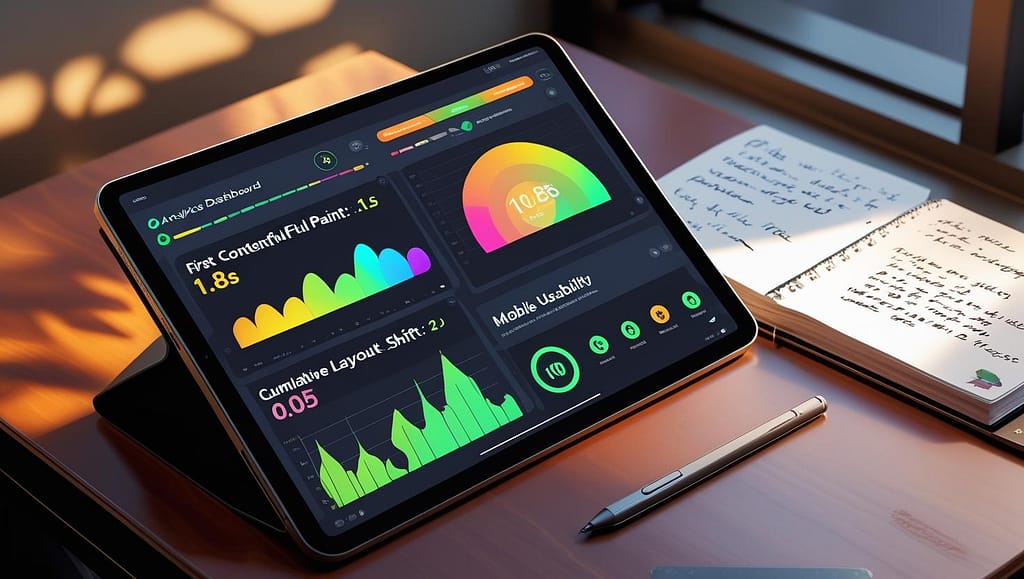
Google’s Core Web Vitals have been a wake-up call. But in 2025, it’s not just about loading speed or interactivity. It’s about the entire user journey. And this is where web and application development plays a critical role.
Think about it: You can have the most keyword-optimized content, but if your site takes 5 seconds to load on mobile, users will leave. And Google knows it.
We recently audited a client’s e-commerce site that ranked well but had terrible conversions. The issue? The checkout process required six steps and three page reloads. We rebuilt the frontend using React, implemented lazy loading, and reduced the checkout to two steps. Conversions jumped by 68% in three weeks.
Here’s what modern UX-driven development includes:
- Mobile-first architecture – Not just responsive design, but performance-optimized for mobile networks.
- Micro-interactions – Small animations that confirm actions (like adding to cart) and reduce user anxiety.
- Accessibility by default – Building with screen readers, keyboard navigation, and color contrast in mind from the start.
- Progressive Web Apps (PWAs) – Giving web apps the feel of native apps with offline support and push notifications.
At Brand Nexus Studios, we don’t hand off a website and disappear. We test, measure, and iterate. Because great web and application development isn’t a one-time project – it’s a continuous improvement cycle.
3. E-Commerce Isn’t Just a Website – It’s an Experience Engine
If you’re in e-commerce, your site isn’t just a digital catalog. It’s an experience engine. And in 2025, web and application development must reflect that.
We worked with a fashion brand that was losing customers at the product page stage. Their site looked great, but users couldn’t visualize the clothes. So we added 360-degree product views, integrated user-generated content (UGC) from Instagram, and embedded AI-powered size recommendations.
The result? Average session duration increased by 3.5 minutes, and return rates dropped by 18% because customers were buying the right size the first time.
Here’s what’s changing in e-commerce development:
- Visual search integration – Allowing users to upload photos and find similar products (think Google Lens for your store).
- Structured data & schema markup – Not just for SEO, but to power rich snippets, Google Shopping, and voice search compatibility. For a deep dive into schema implementation, check out Google’s Structured Data Guide.
- Headless commerce – Decoupling the frontend from the backend so you can deliver content across websites, apps, and even smart mirrors.
- Real-time inventory and pricing – Dynamic updates that prevent cart abandonment due to stock issues.
The bottom line? Your e-commerce platform must be fast, flexible, and frictionless. And that starts with smart web and application development.

4. Sustainable Development Is Gaining Ground
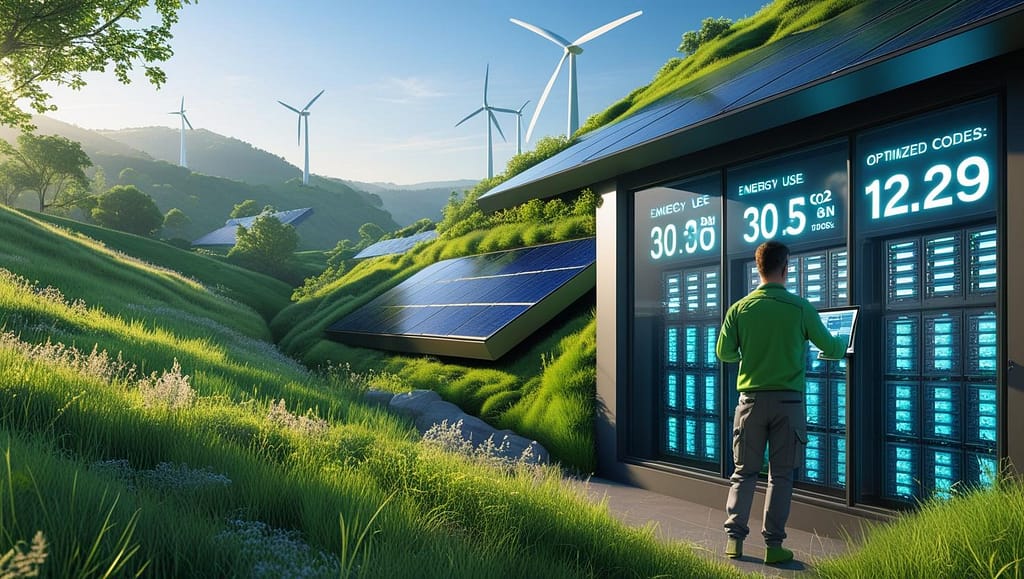
This might surprise you, but your website has a carbon footprint. Every image load, every script, every server request consumes energy. And in 2025, sustainable web and application development is becoming a competitive advantage.
Google has hinted that eco-friendly sites might get a ranking boost. Even if that’s not official yet, consumers are paying attention. A recent study found that 68% of users prefer brands that are environmentally responsible – including their digital presence.
At Brand Nexus Studios, we’ve adopted green development practices across all projects:
- Optimized image delivery – Using WebP format, lazy loading, and CDNs to reduce data transfer.
- Efficient code – No bloated themes or unnecessary plugins. We write lean, clean code.
- Eco-friendly hosting – We partner with green data centers powered by renewable energy. Explore options like GreenGeeks, which uses 300% renewable energy.
- Dark mode options – For apps and sites, reducing screen energy consumption on OLED devices.
One client, a wellness brand, wanted their site to reflect their sustainability values. We rebuilt it with minimal JavaScript, optimized assets, and a carbon calculator widget. Their site now uses 70% less energy than before – and their customers noticed.
Sustainable development isn’t just ethical. It’s faster, cheaper to run, and better for SEO. It’s a win-win-win.
5. Zero-Click Search Is Reshaping Content Strategy
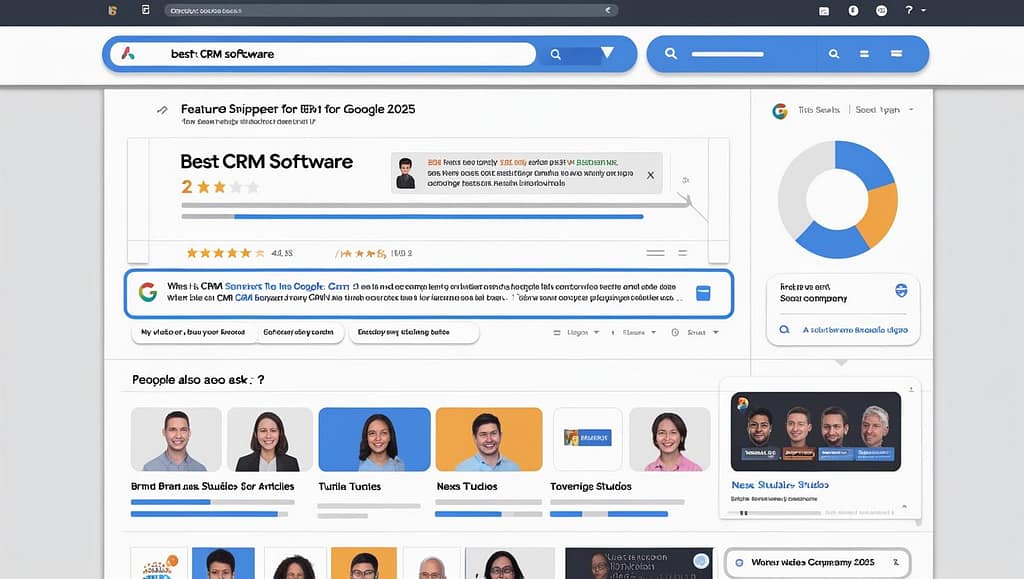
You’ve probably heard of “zero-click searches” – where users get answers directly on Google without clicking through to a website. In 2025, over 60% of searches are expected to be zero-click.
That sounds scary if you’re relying on organic traffic. But here’s the twist: web and application development can actually help you win in this new landscape.
How? By optimizing for SERP features like:
- Featured snippets – Structuring content with clear headings and concise answers.
- Knowledge panels – Ensuring your business data is accurate and marked up with schema.
- People Also Ask (PAA) – Answering related questions in your content to increase visibility.
- Video carousels – Creating short, informative videos optimized for search. For best practices, refer to Moz’s Beginner’s Guide to Video Marketing.
We helped a B2B SaaS client optimize their FAQ page for PAA boxes. We restructured the content with question-based headings, added schema markup, and embedded short explainer videos. Within two months, they appeared in 12 PAA boxes and saw a 35% increase in branded search traffic – even with fewer direct clicks.
The lesson? You don’t need to win the click to win the customer. You just need to be visible, authoritative, and helpful – right where they’re looking.
Why Brand Nexus Studios Stands Out in Web and Application Development
There are a lot of developers out there. What makes us different?
Simple: we don’t just build websites. We build business outcomes.
When you partner with Brand Nexus Studios, you’re not getting a generic template or a one-size-fits-all solution. You’re getting a team that understands how web and application development intersects with marketing, SEO, and customer experience.
Our process is transparent, collaborative, and results-driven. We start with discovery – understanding your goals, audience, and competition. Then we architect a solution that’s scalable, secure, and optimized from day one.
And we don’t stop at launch. We provide post-launch support, performance monitoring, and ongoing optimization because your digital presence should evolve with your business.
Final Thoughts: Build for the Future, Not Just Today
The future of web and application development isn’t about chasing trends. It’s about building intelligent, user-centered, and sustainable digital experiences that deliver real business value.
Whether you’re launching a new product, rebranding, or scaling your online presence, the foundation you lay today will determine your success tomorrow.
If you’re ready to build something that stands out – not just in design, but in performance and impact – let’s talk. At Brand Nexus Studios, we’re here to help you future-proof your digital strategy through expert web and application development.
Because in 2025, average won’t cut it. You need excellence. You need strategy. You need a partner who gets it.
About the Author




Spot on about the shift in web and app development being a strategic lever, not just a technical task. As digital leaders, we need to rethink how development contributes to the larger business goals, not just building apps and websites. These trends will definitely set the pace for 2025!
Thank you for the insightful comment! I completely agree – development has evolved far beyond just coding; it’s now a core driver of business strategy, customer experience, and competitive advantage. When we align development with broader business objectives, that’s when innovation truly accelerates.
I’m excited to see how these trends will continue shaping the digital landscape in 2025 and beyond. Leaders who embrace this strategic mindset will be the ones setting the pace, not just keeping up. Appreciate you highlighting that crucial shift – it’s exactly the perspective we need more of in the tech and business world!