A clear, mobile-first view of local SEO visibility. All images on this page are compressed for speed.
Local SEO: 21 Powerful Tips for Quick Wins
By Morne de Heer, Published by Brand Nexus Studios
In this guide, we break down local SEO in plain language and show you how to earn more calls, messages, and foot traffic. You will get practical steps, a checklist, and examples you can use today.
Here is the big promise. If you follow these 21 tips for local SEO, you will build a durable pipeline that compounds month after month. Let’s get into it.
What is local SEO and why it matters
Local SEO helps your business appear when nearby customers search for your services. Think plumbing in Cape Town, dentist near me, or coffee shop open now. Local intent is high intent, which is why it converts.
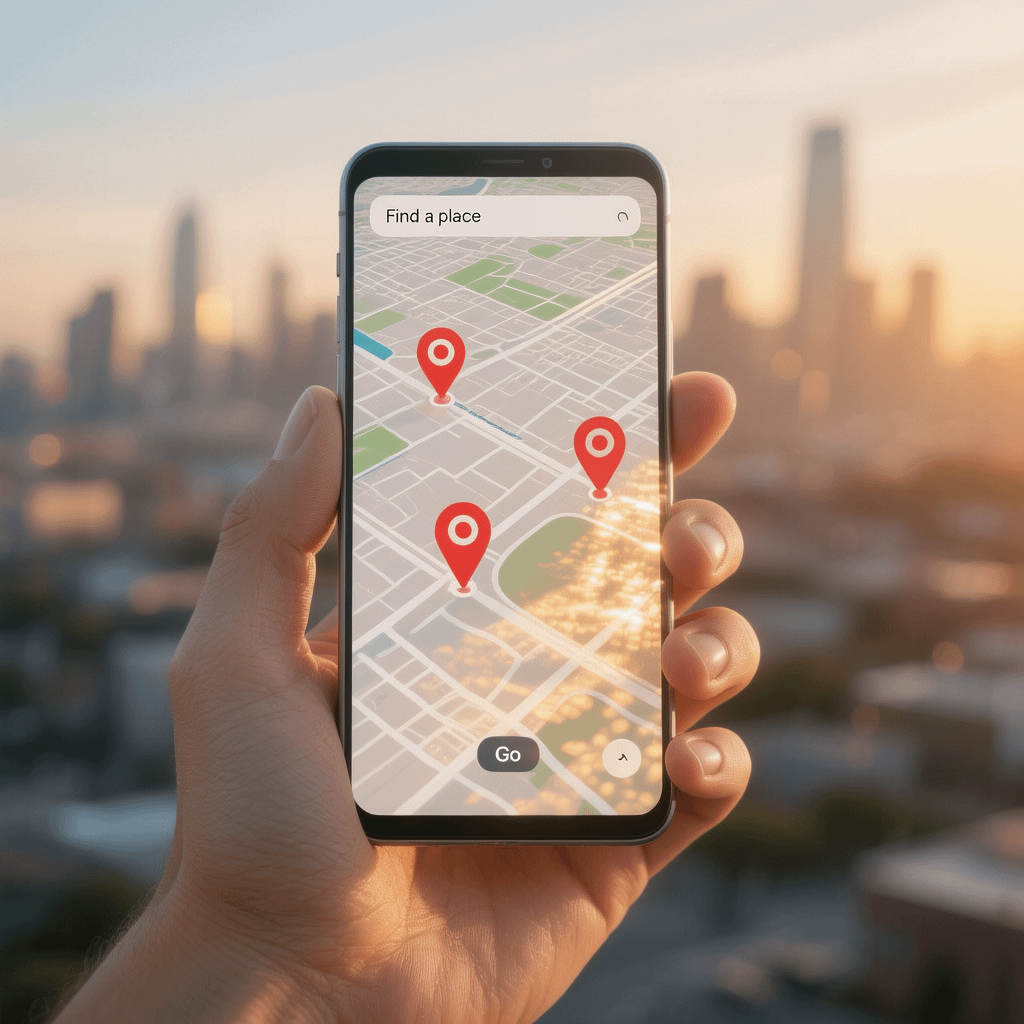
With local SEO, you can win two prime spots. First is the Map Pack with three listings and a map. Second is the organic results under the map. Get both and you own the page.
- Local searches show buyer intent and short decision cycles.
- Map results get high visibility on mobile and desktop.
- Trust signals like reviews and proximity drive action fast.
How local SEO rankings really work
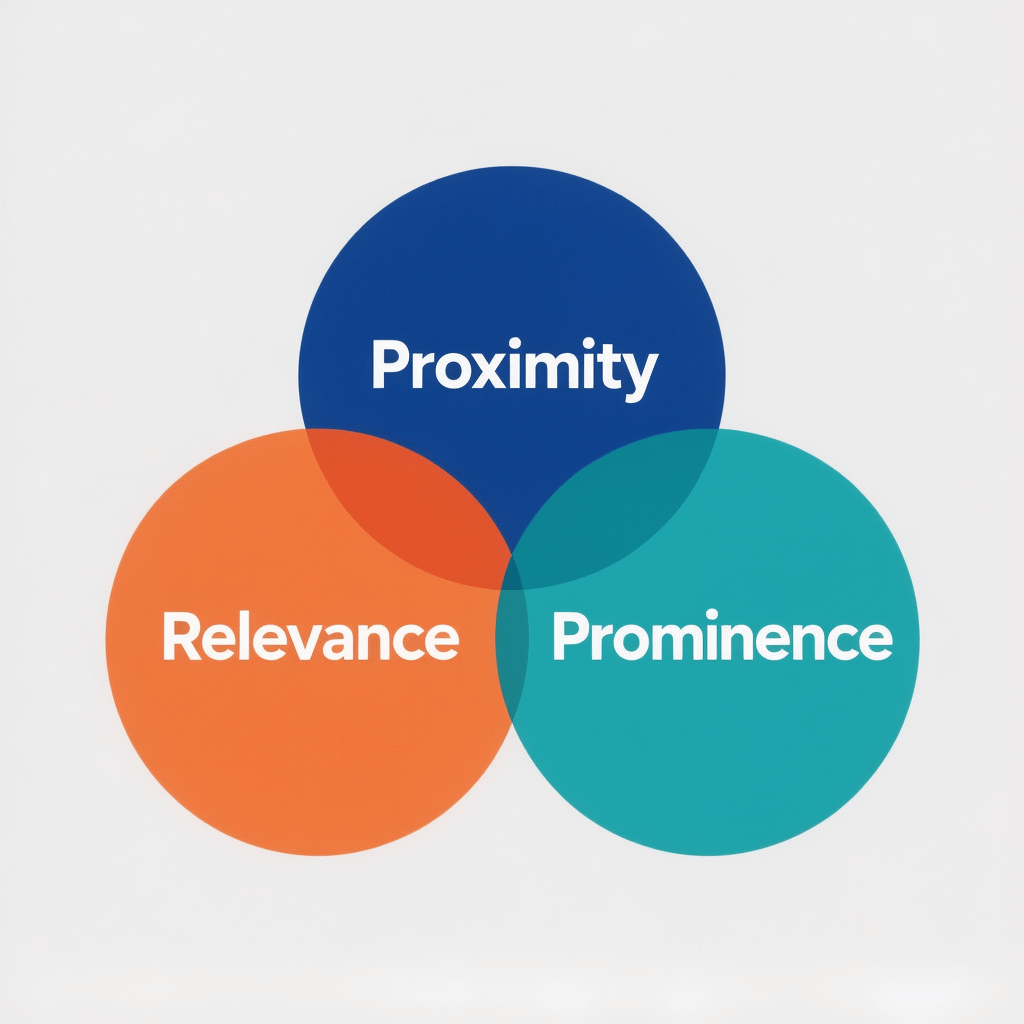
Local rankings come from three forces working together. Proximity, relevance, and prominence. Understand these and you will know where to focus effort.
- Proximity is the distance between the searcher and your business or service area. You cannot control where a user stands, but you can cover more ground with local content and pages.
- Relevance is how well your profile and pages match the search. Categories, services, titles, and content all matter for local SEO relevance.
- Prominence is your authority. Reviews, links, press, and consistent citations build a strong reputation that boosts local SEO performance.
21 proven tips to level up your local SEO
Use these tactics to build momentum quickly. Start with Google Business Profile and your core pages, then expand into reviews, links, and content. Each tip compounds the last for stronger local SEO results.
1) Claim and verify your Google Business Profile
This is your local SEO foundation. Claim your listing, complete verification, and fill in every section. Use your real business name and a number that rings to a person.
Add accurate hours, holiday hours, and a short description that highlights your primary service and city. This single step unlocks visibility across Search and Maps.
2) Choose the correct categories
Categories drive relevance in local SEO. Pick a precise primary category that matches your main service. Add a few secondary categories for related services, but do not overdo it.
If you change services seasonally, review categories each quarter. It helps Google understand shifts in your offer.
3) Nail your NAP consistency
NAP stands for name, address, and phone. Keep it identical across your site, Google Business Profile, and key directories. Even small differences can weaken local SEO trust.
Use a master document for NAP data and update everything when changes happen. Consistency supports faster map pack wins.
4) Add services and products to GBP
Services and products let you target more queries and expand relevance. List core services with short, benefit-led descriptions. Add pricing where possible to reduce friction.
Use the same language customers search for. The closer you match searcher wording, the stronger your local SEO alignment.
5) Upload authentic photos and short videos
Real photos build trust and drive clicks. Add exterior shots, interior shots, team photos, and work in progress. Short videos increase engagement and show proof of quality.
Compress images before upload for page speed. Faster profiles and pages support better local SEO performance on mobile.
6) Activate messaging and easy contact actions
Turn on messaging in Google Business Profile and add click to call on your site. Make it effortless to reach you. The easier it is to talk, the more leads you will convert from local SEO.
Test calls on mobile and desktop. Fix any voicemail or routing issues immediately.
7) Build a review flywheel
Reviews power credibility and rankings. Ask happy customers for a review within 24 hours of service. Use a short link or QR code and keep the ask simple.
Reply to every review. Thank supporters and address concerns calmly. A consistent review cadence is a local SEO moat your competitors cannot easily copy.

8) Create one local landing page per service and city
If you serve multiple areas or offer multiple services, build focused pages. Each page should target a single service and a single city. This is how you expand reach in local SEO.
Include unique content for each page, not boilerplate. Add local proof like testimonials from that area and photos of real jobs.
9) Optimize title tags and H1s with city and service
Title tags still matter a lot. Lead with the service and city, then add a value hook. For example, Plumber Cape Town – 24 hour Emergency Repairs.
Match the H1 closely to the title. Aligning page signals is simple and effective for local SEO.
10) Add LocalBusiness schema to key pages
Schema helps search engines understand the specifics of your business. Add LocalBusiness or a relevant subtype to your homepage and location pages.
Include name, address, phone, opening hours, service areas, and sameAs links. Clear structure supports stronger local SEO visibility.
11) Build consistent citations
List your business on major directories and local sites. Think regional chambers, industry associations, and top aggregators. Keep NAP consistent to reinforce local SEO trust.
Focus on quality over quantity. A clean set of core citations beats hundreds of weak ones.
12) Earn local links with partnerships and PR
Links remain a power signal for local SEO. Sponsor youth sports, partner with charities, and join business groups. Pitch local media with useful stories or data.
When possible, link your local landing pages in these mentions to strengthen relevance and authority.
13) Embed a map and add directions on location pages
Make it easy to find you. Embed a map, add parking tips, and include directions from landmarks. This improves user experience and conversion rates from local SEO traffic.
If you are a service area business, list suburbs you reliably serve and give realistic response times.
14) Publish hyperlocal content that answers real questions
Write about local events, regulations, or seasonal issues tied to your services. These articles attract links and local brand searches. Both help your local SEO grow.
Interview partners and profile community projects. Useful local stories build goodwill and visibility.
15) Add an FAQ section to key pages
FAQs remove friction and target question keywords. Keep answers brief, honest, and practical. Use question phrasing customers use in real life.
Mark up FAQs with schema for potential rich results. This can improve click through from local SEO queries.
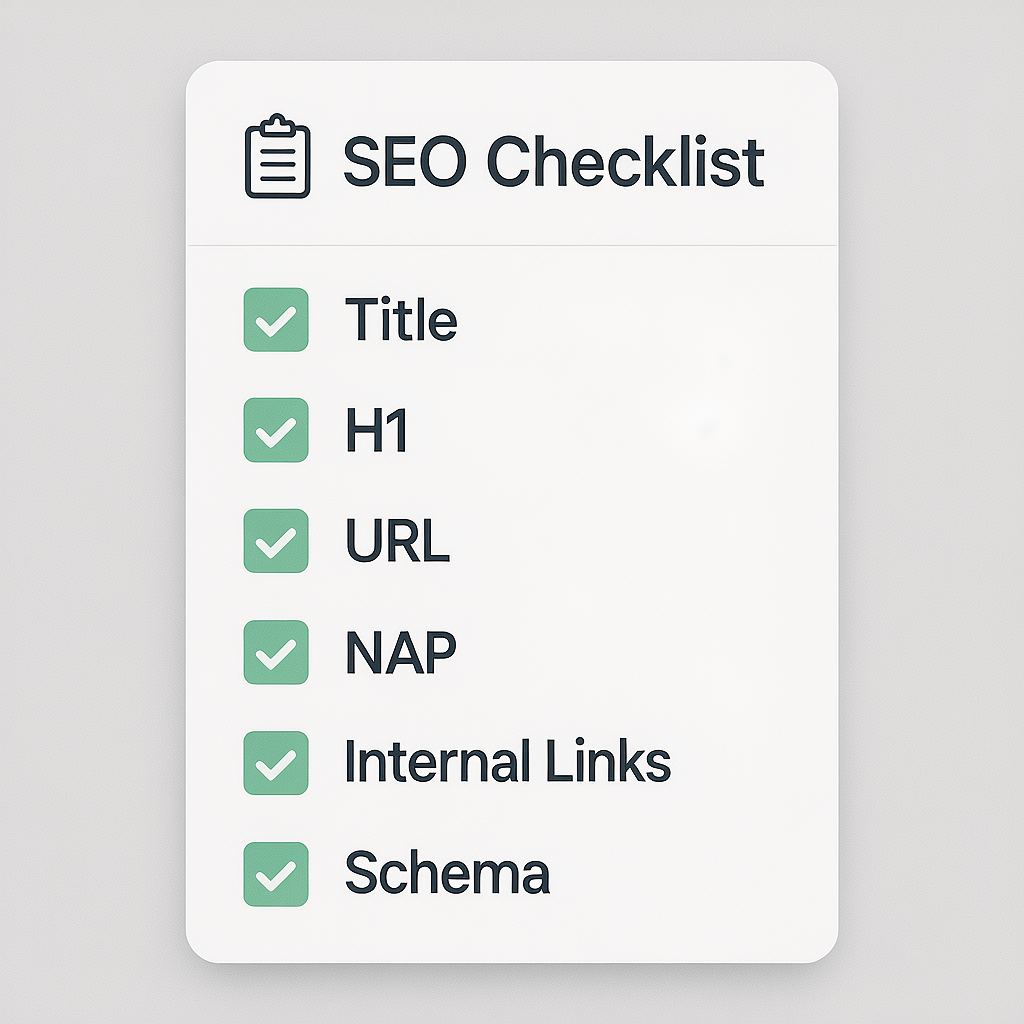
16) Improve page speed with compression, caching, and a CDN
Speed is a conversion multiplier. Compress images, enable caching, and serve assets from a CDN. Faster pages reduce bounce and lift local SEO results.
Minify CSS and JavaScript, lazy load images, and avoid heavy sliders. Keep your theme lean and your plugins essential.
17) Make mobile your default experience
Local searches are mostly mobile. Use big tap targets, sticky call buttons, and short forms. Test on various devices and connections.
Accessibility helps everyone. High contrast, readable fonts, and proper labels support better outcomes from local SEO traffic.
18) Track everything with UTM links and call tracking
Add UTM parameters to links in your Google Business Profile to measure traffic and conversions. Use call tracking numbers on pages but keep your main NAP consistent.
Combine Google Analytics, GBP Insights, and Search Console data to see where local SEO is working and where to push harder.
19) Use social proof on your pages
Embed top reviews on your service pages and location pages. Add logos of known clients or certifications. Social proof increases conversion from local SEO visitors.
Keep reviews fresh by rotating new ones monthly. Authenticity beats polish every time.
20) Build topical authority with content clusters
Group articles around your main services and link them together. Cover how to guides, pricing, maintenance, and troubleshooting. Topical depth supports stronger local SEO for competitive terms.
Internal links help search engines map your expertise and help users find next steps.
21) Monitor competitors and adjust fast
Watch category choices, new services, and review velocity from competitors. When they move, respond with better content, more reviews, and clearer offers.
Local SEO rewards the business that iterates. Test, measure, and improve weekly.
On page essentials for local SEO
Strong on page signals make it easier to win the map and the organic results. Align your titles, headings, URLs, and content around a clear service and city focus.
- Lead titles with service and city.
- Use concise H1s that reflect the title.
- Keep URLs short with the city and service when relevant.
- Add NAP in the footer and on your contact page.
- Link to related services and nearby areas to guide users.
If your site needs a redesign to support these basics, invest early. Clean architecture compounds the returns you get from local SEO.
When you are ready to modernize your site, explore our website design and development approach. Clear structure and fast loading pages help every local SEO effort land better.
Technical SEO that quietly powers local SEO
The fastest site usually wins the lead. Compress images before upload, serve next gen formats, and lazy load below the fold. Mention caching in your dev brief and verify it is working.
Use structured data to clarify who you are, what you do, and where you operate. Keep your sitemap clean and ensure robots.txt does not block key pages.
Monitor Core Web Vitals. Fix layout shifts, slow interaction, and large contentful paint. Strong UX supports better engagement from local SEO traffic.
Content that moves the needle for local SEO
Content should answer buyer questions quickly. Short paragraphs, plain language, and helpful visuals win attention. Show proof, not fluff.
- Service pages with pricing ranges and timelines.
- Photo galleries with captions that explain the work.
- Case studies from specific neighborhoods.
- Guides to permits or policies in your city.
- Checklists and printable resources.
Update content quarterly. Fresh details and new images signal an active business, which supports local SEO and improves conversions.
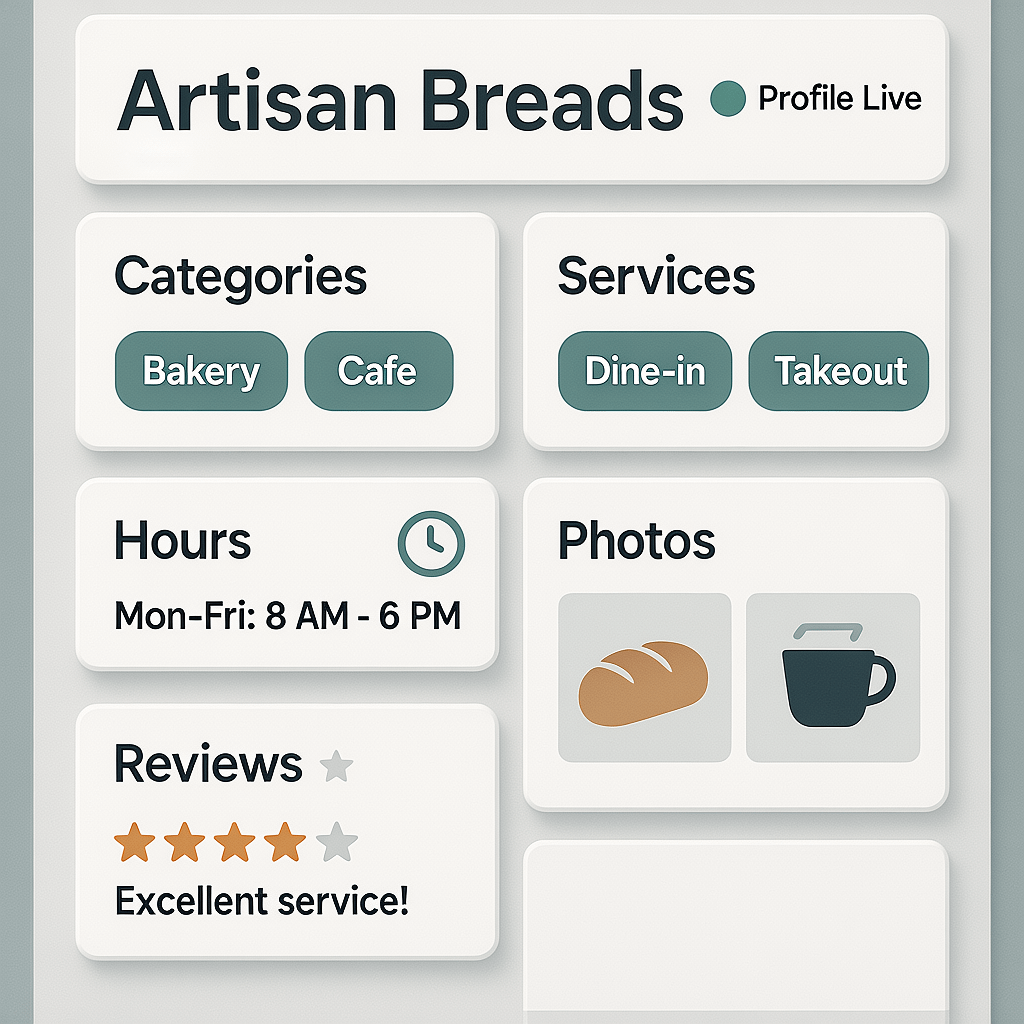
Reviews, reputation, and local SEO momentum
Reviews influence rankings and revenue. A steady stream of honest, detailed reviews proves you deliver. Ask consistently, respond promptly, and learn from feedback.
Use templates to make asking easy for staff. Keep the tone human and simple. One reminder is fine, pressure is not. Real stories beat generic praise and help your local SEO stand out.
Citations and directory strategy
Citations are a trust layer. Lock down the big ones and your core industry sites first. Then add a few local directories that customers actually use.
Audit your existing listings every six months. Fix duplicates and mismatches. This maintenance protects the authority you earned from other local SEO work.
Local link building that fits your brand
Local links come from real relationships. Sponsor events, donate services, teach workshops, and publish helpful resources. These activities get talked about and linked to.
Add a lightweight press page on your site with contact details and a short boilerplate. Make it easy for journalists and partners to reference your brand, which supports local SEO prominence.
Measurement that proves local SEO ROI
Measure the actions that matter. Track calls, messages, bookings, form fills, directions, and store visits if available. Tie every channel back to revenue in your CRM.
Set up UTM links for your Google Business Profile website button and appointment link. You need channel clarity to optimize local SEO efficiently.
Want a clean reporting setup without the headaches? See our approach to analytics and reporting. Clear dashboards help you invest where it pays.
Avoid these common local SEO mistakes
- Stuffing keywords into your business name or titles.
- Using a virtual office address to fake proximity.
- Copying the same content across city pages.
- Ignoring reviews or replying with canned text.
- Letting website speed slip on mobile.
- Publishing thin pages with no clear call to action.
Keep it clean and customer first. The best local SEO is simply excellent service made visible and measurable.
A simple workflow to execute local SEO each week
Consistency beats intensity. Use this repeatable plan to grow without burning out. Ten focused actions each week will move the needle.
- Review GBP Insights and Search Console for quick wins.
- Publish or improve one service or city page.
- Ask five happy customers for reviews.
- Reply to all new reviews and questions.
- Post one update on Google Business Profile.
- Compress and upload one fresh photo with a clear caption.
- Pitch one local partnership or PR idea.
- Fix one technical or UX issue found in testing.
- Add one internal link between related pages.
- Record leads and revenue by source for clarity.
Small steps compound. This cadence builds durable local SEO growth.
When to get expert help
If you are short on time or need a bigger push, bring in specialists. A focused team can set your strategy, fix technical issues, and build your review engine fast.
For a complete plan and hands on execution, explore our SEO services. Brand Nexus Studios blends strategy, content, and engineering to accelerate local SEO results.
FAQs about local SEO
Below are quick answers to popular questions we hear from local business owners. Use these to clarify your plan and avoid common pitfalls.
How long does local SEO take to show results?
Most businesses see momentum within 4 to 8 weeks and stronger results at 3 to 6 months. Competitive markets may take longer, so keep your cadence steady.
What is the difference between local SEO and traditional SEO?
Traditional SEO goes wide across regions. Local SEO targets buyers near your location and uses signals like proximity, reviews, and accurate NAP in addition to on page and technical basics.
How do I rank in the Google Map Pack?
Complete your Google Business Profile, choose exact categories, collect consistent reviews, build local links, and match your pages to the city and service. Proximity also influences results.
Should service area businesses hide their address?
Yes, if you visit customers at their location, hide your address and define service areas. This keeps you compliant and avoids suspensions.
How can I get more reviews without breaking the rules?
Ask every satisfied customer using a short link or QR code. Follow up once, never incentivize, and reply to all reviews. Authenticity wins.
Do citations still matter for local SEO?
They do. Consistent citations help search engines trust your data. Focus on quality sites and keep them updated when details change.
How do I measure ROI from local SEO?
Use UTM tags for GBP, call tracking, and conversion goals. Tie leads to revenue in your CRM and double down on the channels that pay.
Should I run ads alongside local SEO?
Yes. Ads fill gaps while local SEO builds. Owning both paid and organic spots boosts total leads and protects your brand presence.
Final thoughts on local SEO
Local SEO rewards businesses that show up, serve well, and keep improving. Start with the basics, build your review engine, and publish useful local content. The rest is steady refinement.
If you need a partner that understands the full stack from hosting to growth, Brand Nexus Studios can help you build, optimize, and maintain a fast, reliable site that converts local SEO traffic into real revenue.
References
About the Author