
A practical plan you can follow today. All images are compressed for speed.
Website Development Checklist for Small Business SEO – 7 Wins
By Morne de Heer, Published by Brand Nexus Studios
If you are building a new site or rebuilding an old one, you want a website that loads fast, ranks, and converts. This website development checklist for small business SEO gives you a step by step path from idea to launch without wasting time on fluff.
You will get focused tasks, examples, and the why behind each step. Use it as a blueprint to plan, build, and improve your site. When you follow a clear sequence, you avoid rework and protect your budget.
Quick note for speed lovers. Throughout the guide, we highlight image compression, caching, and lightweight scripts, because shaving seconds off load time directly improves conversions and rankings.
The complete website development checklist for small business SEO
Think of this as your project GPS. Each section pairs strategy with action. If you only do one thing today, pick one high impact step from this website development checklist for small business SEO and ship it.
Win 1 – Strategy and scope that align with revenue
Great sites start with clear intent. Set goals, define your audience, and agree on scope before you touch a theme or a plugin.
Define business goals and KPIs
- Pick 3 core KPIs: qualified leads, online sales, booked calls.
- Translate KPIs into site outcomes: forms submitted, checkout completes, chat engagement.
- Set a time bound target for launch and 90 days after launch.
Clarify audience and intent
- List your top 3 audience segments and their jobs to be done.
- Map intents to pages. For example, discovery intent goes to a guide, purchase intent goes to a service page.
- Capture objections to address in copy and FAQs.
Choose the right stack early
- CMS: WordPress is a strong fit for small business SEO when kept lean.
- Hosting: fast, secure, with built in caching and CDN options.
- Analytics: Google Analytics 4 and Search Console connected on day one.
When you anchor the work in outcomes, your website development checklist for small business SEO becomes a business plan, not a pile of tech tasks.
Win 2 – Site architecture that boosts topical authority
Search engines reward clarity. A clean structure helps robots crawl and visitors find what they need without friction.
Design your sitemap
- Group by topic. Each service or product gets its own section with supporting content.
- Keep depth shallow. Aim for 3 clicks or fewer to any important page.
- Draft clean, short slugs that describe the page intent.
Plan internal linking
- Create hub pages that link to detailed articles and related services.
- Add contextual links inside paragraphs where helpful.
- Use descriptive anchor text that matches the destination.
Create a wireframe for key templates
- Home, service, product, blog, and contact pages should have repeatable blocks.
- Place CTAs near the top and again after key proof points.
- Include social proof, awards, and trust badges where they help decisions.
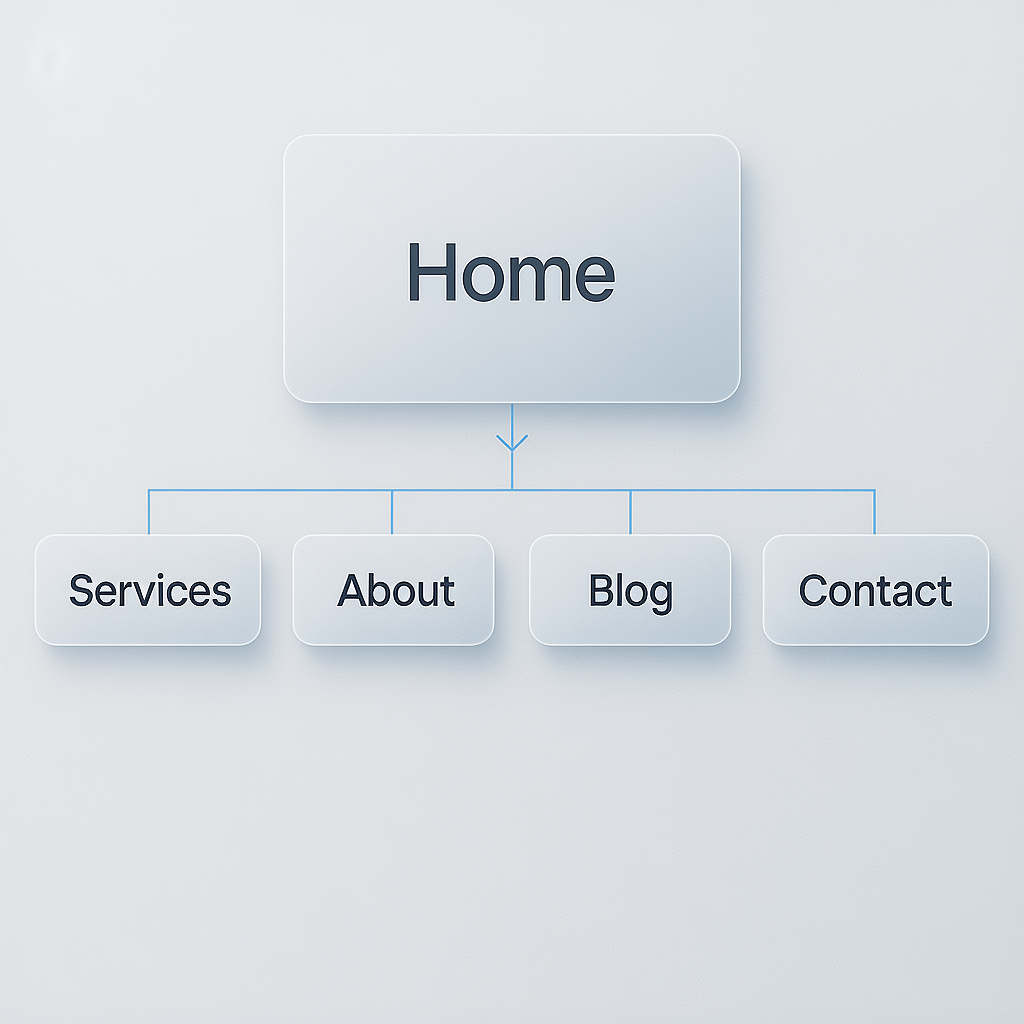
Use this website development checklist for small business SEO to remove guesswork. Your structure should mirror how customers search and decide.
Win 3 – Technical setup that makes speed your default
Speed is leverage. Faster pages get crawled more, convert better, and lower your ad costs by improving quality scores.
Pick fast hosting and enable SSL
- Choose hosting that offers HTTP 2 or HTTP 3, free SSL, and server level caching.
- Enable automatic backups and staging sites to test changes safely.
Use a lightweight theme and minimal plugins
- Avoid heavy multipurpose themes. Pick a well maintained, performance first theme.
- Limit plugins to what you truly need. Remove anything that duplicates features.
Optimize Core Web Vitals
- Largest Contentful Paint under 2.5 seconds on mobile.
- Cumulative Layout Shift under 0.1 by reserving image and embed space.
- Interaction to Next Paint under 200 ms by reducing main thread work.
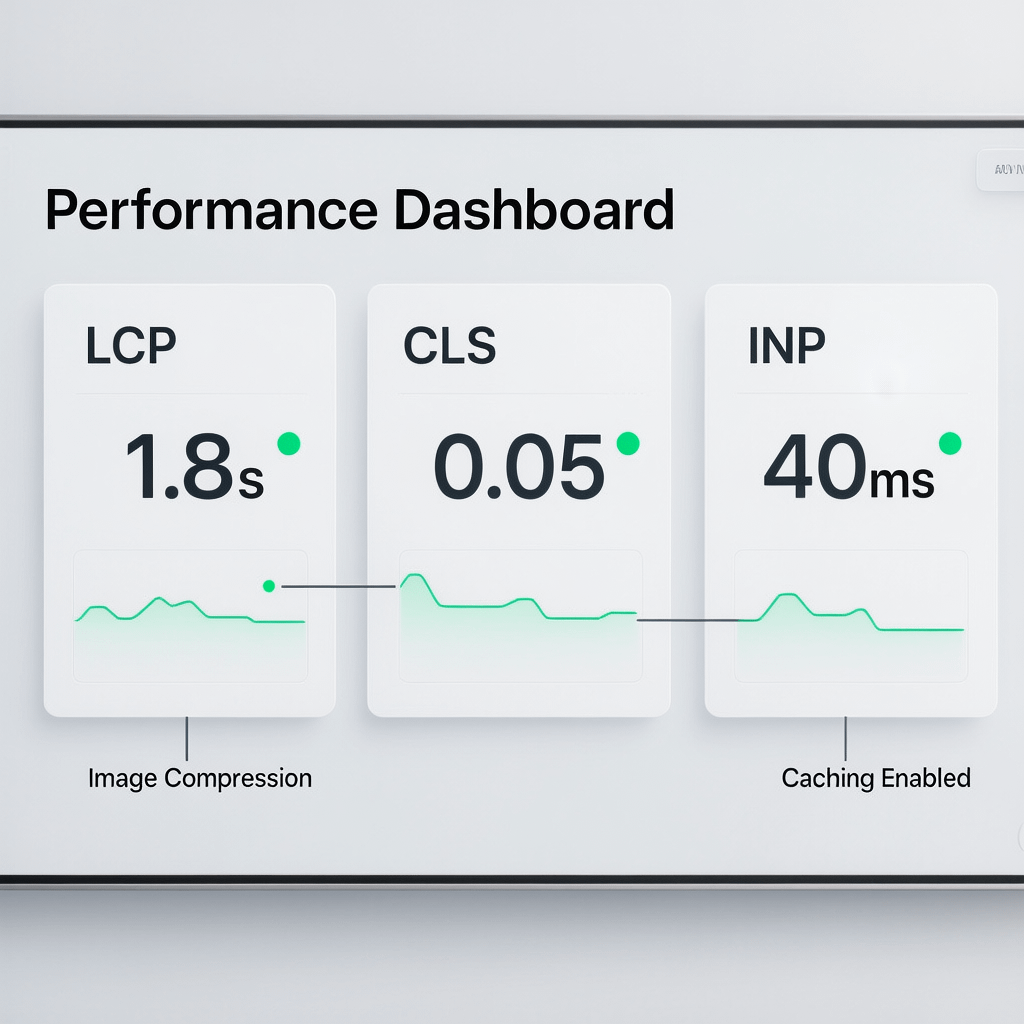
Compression, caching, and CDNs
- Compress images to WebP or AVIF. Keep dimensions appropriate and use responsive sizes.
- Serve static assets via a CDN. Cache pages for logged out users.
- Delay non critical scripts and preload key resources like your main font.
This website development checklist for small business SEO stresses compression and caching because speed compounds. Every 100 ms matters.
Win 4 – Content that answers intent and converts
Great SEO starts with useful content. Build pages around real questions, objections, and proof that builds trust.
Page types you need
- Home page that sets the promise, shows proof, and routes traffic.
- Service or product pages that focus on outcomes, not features.
- About page that builds credibility with a human touch.
- Contact page with a form, phone, email, hours, and an embedded map.
- Blog or resources to target long tail topics and buyer questions.
Write scannable, persuasive copy
- Open with a hook. Tell visitors exactly what they gain in the first two lines.
- Use short paragraphs, descriptive subheads, and bullets.
- Place CTAs near value moments where decisions are made.
On page SEO basics for content
- One H1 per page. Use H2 and H3 to structure ideas.
- Write unique, compelling title tags and meta descriptions for every page.
- Use descriptive image alt text. Include the primary keyword naturally when relevant.
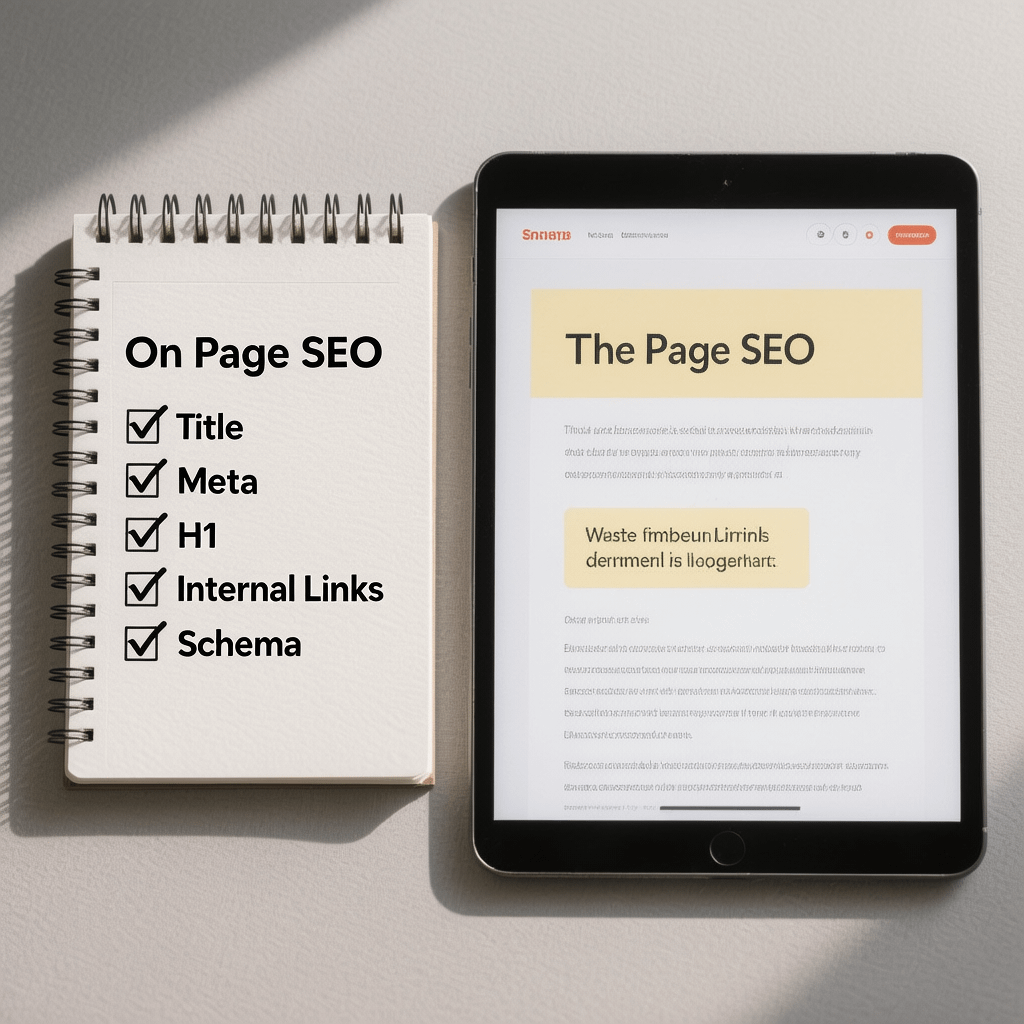
Use this website development checklist for small business SEO as your content guardrail. Keep pages focused, helpful, and easy to act on.
Win 5 – Local SEO that brings nearby buyers to you
Local visibility can be a shortcut to revenue. Get your business details consistent and show up where people search.
Google Business Profile setup
- Claim and verify your profile. Use the exact business name and category.
- Add services, products, hours, and high quality photos.
- Post updates and respond to reviews weekly.
NAP consistency and citations
- Name, address, phone must match across your site and trusted directories.
- Build citations on quality sites that are relevant to your niche and area.
- Embed a map on your contact page and list service areas clearly.
Location pages and local content
- Create unique pages for each city or service area with tailored content.
- Add local testimonials, case studies, and FAQs.
- Use schema markup for LocalBusiness where appropriate.
Local presence supports your broader website development checklist for small business SEO by converting nearby searchers into customers who call and visit.
Win 6 – Analytics that measure what matters
What you measure improves. Set up analytics early so you can spot wins and fix leaks fast.
Install Google Analytics 4 correctly
- Use Google Tag Manager or direct install. Avoid duplicate tags.
- Create conversions for forms, calls, chats, and checkouts.
- Set UTMs for campaigns so reporting stays clean.
Connect Google Search Console
- Verify your domain. Submit your XML sitemap.
- Monitor coverage, enhancements, and performance reports.
- Use queries data to refine content and internal links.
Build a simple dashboard
- Track traffic by channel, conversions, and top landing pages.
- Add page speed, Core Web Vitals, and errors to your weekly view.
- Review trends monthly and set one improvement target for the next month.
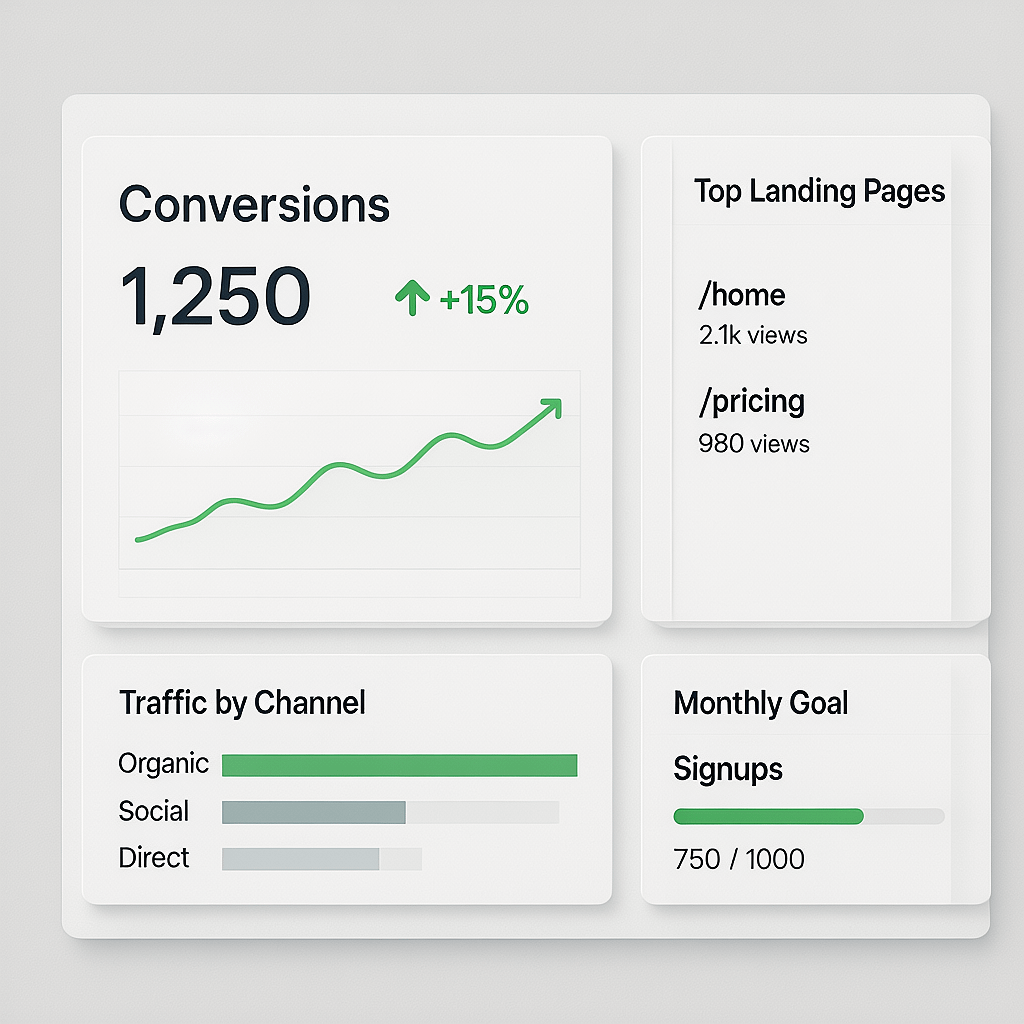
This website development checklist for small business SEO only works if you track outcomes. Tie your efforts to business results, not vanity metrics.
Win 7 – QA and launch without surprises
Before you push live, test everything that affects user trust and search signals. A good launch plan prevents avoidable dips.
Pre launch QA checklist
- Mobile usability across common devices and breakpoints.
- Forms, chat, click to call, and checkout paths.
- Title tags, meta descriptions, and open graph tags set per page.
- Schema validated with no critical errors.
- 404 and 301 logic tested. Custom 404 page created.
- XML sitemap and robots.txt confirmed.
- Core Web Vitals above thresholds on key templates.
Launch and post launch
- Deploy redirects from the old site map to the new URLs.
- Verify SSL, canonical tags, and noindex tags removed where needed.
- Resubmit your XML sitemap and check coverage after crawls.
- Monitor logs, errors, and analytics hourly on day one, daily for the first week.
With a careful pass through this website development checklist for small business SEO, you can launch with confidence and keep rankings stable.
Actionable technical SEO checklist for small business
Technical SEO is the foundation under your content and UX. Keep it clean and your crawl budget goes further.
Indexation and crawl control
- Block staging environments in robots.txt and with password protection.
- Noindex tag for thin pages like search results or thank you pages.
- Set canonical tags to avoid duplicate content.
Structured data for rich results
- Organization or LocalBusiness on the home and contact pages.
- BreadcrumbList on all pages with hierarchical navigation.
- FAQ schema on helpful Q and A sections.
- Product or Service schema where applicable.
Media and performance details
- Use modern image formats and compress aggressively before upload.
- Lazy load below the fold images and embeds.
- Consolidate and defer non essential scripts. Inline critical CSS when helpful.
Your website development checklist for small business SEO should treat performance like a feature, not an afterthought. Every millisecond you save protects conversions.
Accessibility and compliance essentials
Accessibility improves usability for everyone and reduces legal risk. It also aligns with search engines that reward clarity.
- Text contrast that meets WCAG AA. Font size never too small.
- Focusable, visible keyboard outlines and skip links.
- Descriptive link text. Never rely on color alone to convey information.
- Alt text for meaningful images. Decorative images marked properly.
- Clear error messages and labels on forms.
- Privacy policy and cookie notices where required.
Content production workflow that scales
Repeatable workflows beat inspiration. A simple content pipeline keeps your calendar full and your pages consistent.
- Research: pick a theme and draft an outline that matches intent.
- Draft: write short, helpful sections with examples and screenshots.
- SEO pass: refine title tags, headings, internal links, schema, and image alt text.
- Design: add illustrations or photos that clarify ideas, compressed for speed.
- Review: fact check and run a readability pass.
- Publish: schedule, share, and add to relevant internal links.
- Update: improve winners and prune underperformers quarterly.
Use this website development checklist for small business SEO as your content compass so every piece contributes to a clear topical cluster.
Smart internal linking that builds authority
Internal links spread link equity and guide readers. Add them where they help decisions, not just for robots.
- Link from high traffic pages to new or strategic pages.
- Use keyword aligned but natural anchor text.
- Add breadcrumb navigation for clarity on mobile.
- Check for orphan pages and fix them monthly.
Security and maintenance basics for peace of mind
Security issues crush trust and rankings. Keep your stack updated and backed up so you can move fast without fear.
- Daily automated backups with easy restore.
- Plugin and theme updates tested on staging first.
- Least privilege user roles. Enforce strong passwords and 2FA.
- Firewall and malware scanning enabled.
If you prefer a partner that builds, hosts, and maintains fast, secure sites, website design and development specialists at Brand Nexus Studios can help you ship with confidence.
Website development checklist for small business SEO kickoff
Ready to get moving. Here is a condensed kickoff sequence you can use today, whether you are building from scratch or rebuilding.
- Clarify goals, audience, and KPIs.
- Draft a sitemap and wireframe templates.
- Choose hosting, CMS, and a lightweight theme.
- Set up analytics and Search Console.
- Create core pages with scannable copy and strong CTAs.
- Optimize on page SEO and internal links.
- Compress and upload images with responsive sizes.
- Enable caching and test Core Web Vitals.
- QA forms, accessibility, and redirects.
- Launch with a monitoring plan for the first week.
This is the high level view. The detailed steps below expand on each item from the website development checklist for small business SEO so you can mark them complete one by one.
Detailed build steps from zero to launch
1. Project setup and governance
- Create a single source of truth doc with goals, scope, and milestones.
- Define approval flow and owners for copy, design, and code.
- Set a weekly standup to remove blockers fast.
2. Keyword strategy and topical clustering
- List 5 to 10 core topics that align to revenue.
- Collect supporting questions for each topic and prioritize by intent.
- Map one primary keyword per page to avoid overlap.
3. Design system and components
- Define type scales, color tokens, and spacing early.
- Build reusable blocks for hero, features, testimonials, and CTAs.
- Ensure components meet accessibility standards by default.
4. Development standards
- Keep HTML semantic. Use proper headings and landmarks.
- Load critical CSS in the head and defer the rest.
- Minify and combine assets where safe. Avoid render blocking scripts.
5. Content migration and redirects
- Audit existing URLs and performance. Decide what to keep, improve, or drop.
- Plan one to one 301 redirects for moved or removed pages.
- Update internal links to the new URL structure.
6. Compliance and trust signals
- Publish a clear privacy policy and terms pages.
- Add payment and security badges where relevant.
- Display real testimonials with names and context.
A disciplined process is the hidden engine behind this website development checklist for small business SEO. Systems make results repeatable.
Smart tool stack for small teams
Use tools that reduce complexity. The best stack is the one your team actually uses consistently.
- CMS: WordPress kept lean with a performance theme.
- Forms: a reliable, lightweight forms plugin with spam protection.
- SEO: an SEO plugin to manage titles, metas, schema, and sitemaps.
- Caching: a single caching plugin. Do not stack multiple caching tools.
- Image: an optimization plugin that generates WebP and responsive sizes.
- Analytics: GA4, Search Console, and a dashboarding tool.
- QA: a link checker, accessibility checker, and speed testing tools.
If you want expert hands on help, our SEO services team can shape a plan, build the stack, and tune the details so you ship a site that wins.
On page SEO specifics you cannot skip
Small details add up. Nail the basics on every page and your rankings become more durable.
- Title tag under 60 characters with the primary keyword near the start.
- Meta description under 160 characters that reads like an ad.
- H1 that states the page promise. H2 and H3 that mirror the outline.
- Short URLs with keywords and hyphens only.
- Internal links to related pages with descriptive anchors.
- Alt text that describes the image and supports the topic.
- FAQ sections where helpful to capture related queries.
Use this website development checklist for small business SEO to run a final on page sweep before launch. Small fixes often produce quick wins.
Performance tuning checklist
Speed work is never finished, but you can get most gains with a short list of actions.
- Compress all images before upload and serve WebP or AVIF.
- Set far future cache headers on static assets.
- Use server level caching and a single plugin for page cache.
- Reduce third party scripts. Remove anything unused or duplicative.
- Preload key fonts and use font display swap to avoid invisible text.
- Limit heavy sliders and animations. Replace with static visuals.
Mention this in your documentation. Images are compressed and caching is enabled because page speed affects revenue, not just vanity metrics.
Conversion lifts baked into your build
Build conversion into the structure so you do not bolt it on later.
- Use clear, benefit led CTAs above the fold and after proof points.
- Add short forms with a minimum number of fields.
- Offer social proof near key decision sections.
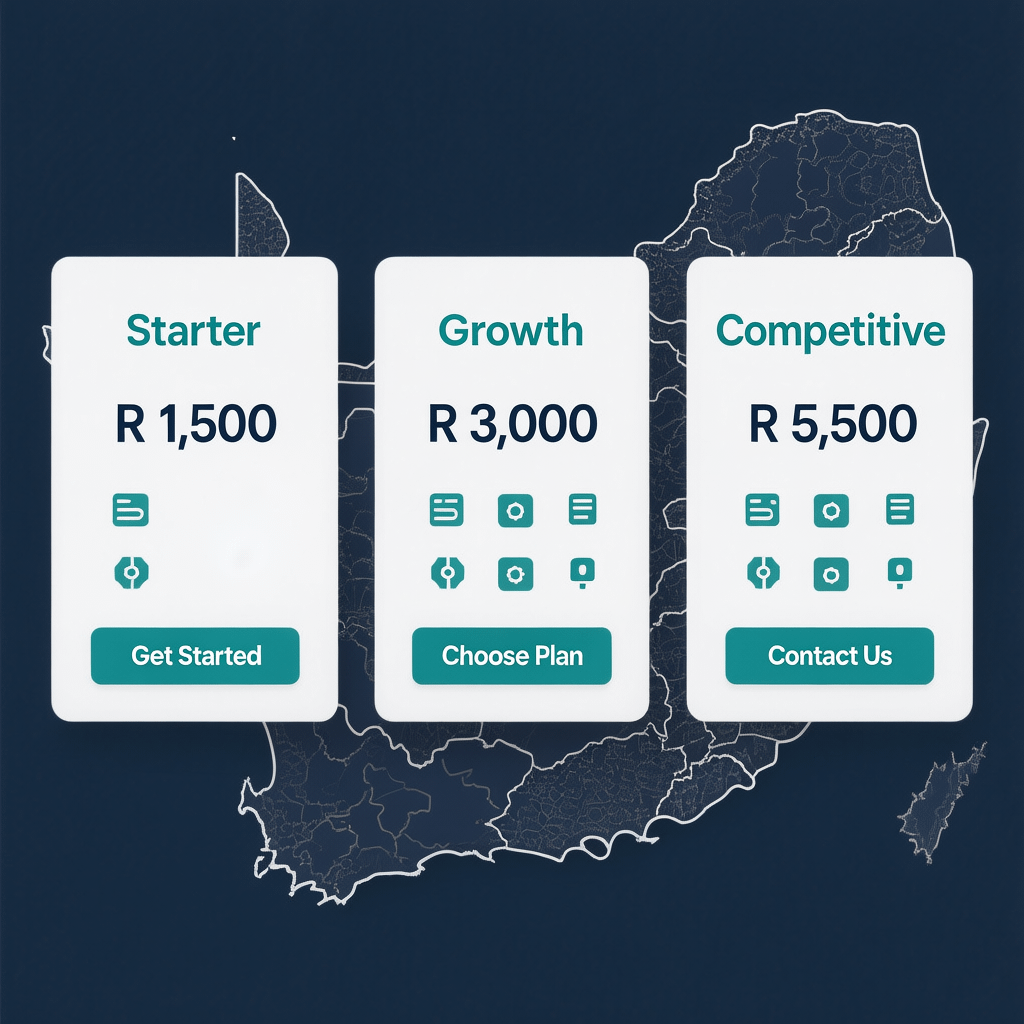
- Use pricing or packages pages that remove friction and set expectations.
- Enable click to call and chat options on mobile.
As you implement this website development checklist for small business SEO, track how each page contributes to conversions, not just visits.
Content refresh and growth after launch
Launch is chapter one. Sustainable growth comes from ongoing updates and new assets that close gaps.
- Quarterly content audits to refresh facts and examples.
- Publish 2 to 4 new posts per month targeting long tail intent.
- Add comparison pages and case studies that align to bottom of funnel search.
- Test new CTAs and layouts based on analytics insights.
Plan improvement sprints that build on this website development checklist for small business SEO so you can keep lifting results a little each month.
Internal links you will want to explore
Need help building, maintaining, or measuring. Explore our focused services to move faster with fewer risks.
- Design and build with our website design and development team built for speed and UX.
- Get found with strategic SEO services that connect to revenue.
- Measure what matters through analytics and reporting that guide decisions.
Brand Nexus Studios brings design, SEO, hosting, and maintenance together so your site can grow without adding complexity.
Visual content that supports understanding
Use images that make ideas easier to grasp. Diagrams, minimal UI mocks, and real world photos beat generic stock.
- Show your process with a simple flow diagram.
- Use screenshots to explain settings and reports.
- Add captions that give readers a quick takeaway.
Every image on this page is compressed and served in responsive sizes to protect load times.
Checklist summary you can copy into your project
Here is a compact version of the website development checklist for small business SEO that you can paste into your task board.
- Goals and KPIs set. Audience and intent mapped.
- Sitemap and wireframes approved.
- Hosting, SSL, CDN, caching configured.
- Lightweight theme and minimal plugins installed.
- GA4 and Search Console connected. Conversions set.
- Core pages drafted with on page SEO complete.
- Images compressed and responsive. Scripts optimized.
- Local SEO assets built. NAP and citations consistent.
- Schema and internal links added.
- Accessibility checks passed.
- QA and redirect plan complete.
- Launch and monitor. Iterate monthly.
FAQs
Have questions while you work through the website development checklist for small business SEO. These quick answers can help.
What is the fastest way to use this website development checklist for small business SEO
Work one section per day. Start with structure and speed, then on page SEO, then local SEO, then analytics and QA. Ship small improvements as you go.
How many pages does a new site need to start ranking
You can start with 5 to 8 core pages and a plan for consistent blog posts. Depth comes over time. Focus each page on a single intent and outcome.
Should I use a page builder
If you need it, choose a lightweight builder and keep custom code lean. Performance first. Many sites can be built with the block editor and a few custom blocks.
How do I keep plugins under control
Install one plugin per job, avoid overlap, and remove anything unused. Audit monthly and replace heavy plugins with lighter options where possible.
What is the best cadence for updates after launch
Plan monthly maintenance, quarterly content refreshes, and a biannual technical audit. Small, steady improvements win.
When should I get professional help
If you are short on time or the stakes are high, bring in experts for speed, SEO, and analytics. You can always learn from the setup and take it from there.
How do I prevent ranking drops during a redesign
Keep URL structure stable where possible, map one to one redirects, migrate metadata and schema, and launch during a low traffic window with monitoring in place.
References
Further reading that complements this checklist:
- Google Search Central SEO starter guide – foundational practices and definitions.
- Moz guide to technical SEO – a practical overview of crawlability and performance.
About the Author