

Feature image. Visualizing a clean sitemap architecture that aligns with sitemap best practices 2025.
Sitemap Best Practices 2025: 21 Proven Tips That Win
By Morne de Heer · Published by Brand Nexus Studios

If you want faster indexing in 2025, start with fundamentals that work. This guide compiles sitemap best practices 2025 into practical steps you can ship this week.
We will cover strategy, structure, and automation so you can implement sitemap best practices 2025 without guesswork. Expect examples, checklists, and a repeatable blueprint.
At Brand Nexus Studios, we apply these systems on sites of every size. You can adapt the same playbook whether you run a startup or an enterprise marketplace.
What sitemap best practices 2025 actually mean
Search engines rely on sitemaps to discover new and updated URLs at scale. In simple terms, sitemap best practices 2025 means maintaining a precise inventory of indexable pages with trustworthy freshness signals.
Your sitemap is a promise. It tells crawlers which URLs matter and when they changed. Keep that promise and you will earn quicker recrawls, better coverage, and fewer dead ends.
Why sitemaps still matter for modern SEO
Great internal linking helps, but sitemaps accelerate discovery. They shorten the path between publish and visibility and they reduce crawl waste.
They also create a measurable control surface. When you align canonical tags, robots directives, and indexability with your sitemap, diagnostics become faster and fixes become simpler.
Sitemap best practices 2025 quick wins
Before we dive deep, capture the easy gains. These are the fastest steps that deliver compounding value and reflect sitemap best practices 2025.
- Only include canonical, indexable 200-status URLs. This single rule powers most sitemap best practices 2025.
- Populate accurate lastmod timestamps. Trustworthy freshness is core to sitemap best practices 2025.
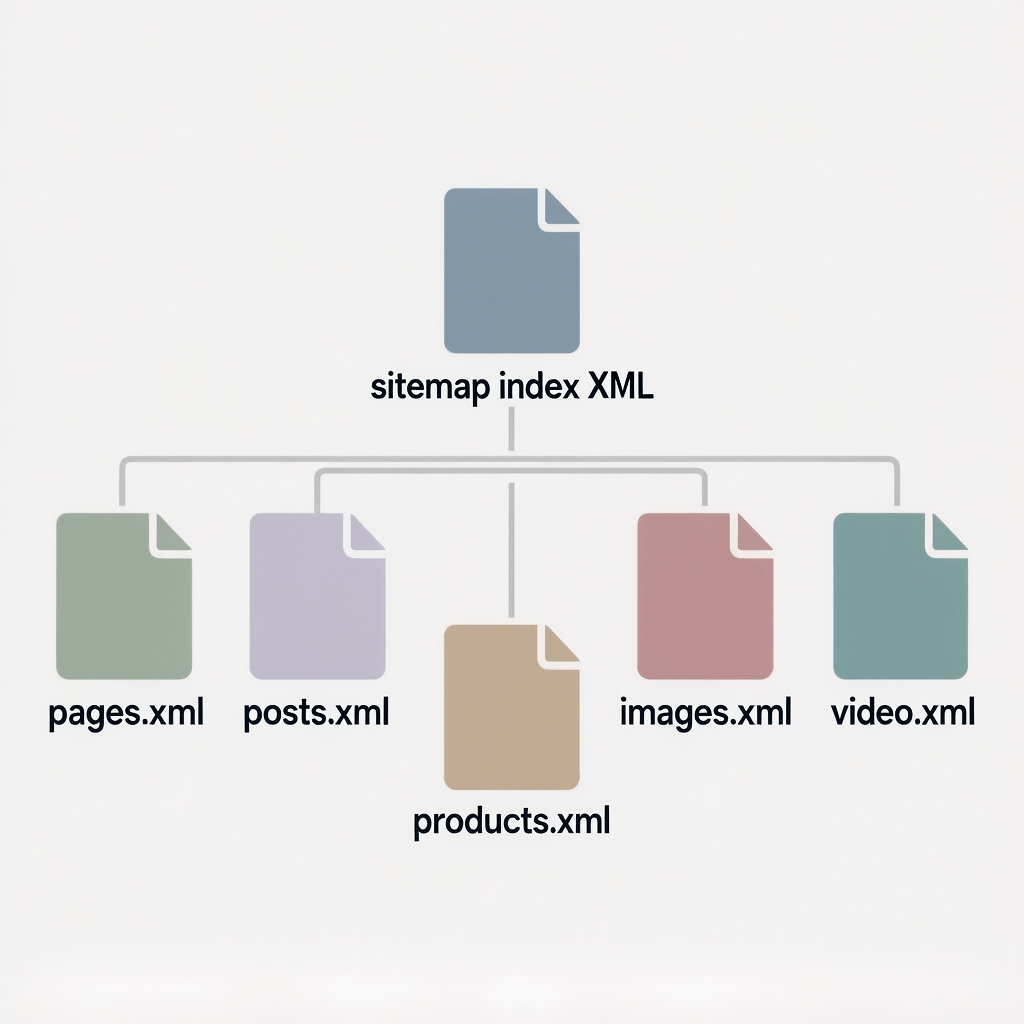
- Segment large sites into multiple child sitemaps and a sitemap index to scale sitemap best practices 2025.
- Serve sitemaps over HTTPS, gzip them, and keep each file under hard limits to honor sitemap best practices 2025.
- Declare your sitemap in robots.txt and submit in Search Console to align with ecosystem expectations.
- Automate regeneration on publish and update events so your freshness signal stays true.
- Exclude noindex, redirects, 404s, soft 404s, and parameter pages.
- Use separate image and video sitemaps if rich media drives your SEO strategy.
- Validate frequently, fix fast, and monitor coverage and errors in dashboards.
- Match hreflang clusters in sitemaps for multilingual consistency.
XML sitemap fundamentals you cannot skip
Stay inside protocol limits. Each XML sitemap supports up to 50,000 URLs and up to 50 MB uncompressed. Gzip your files to shrink transfer time and save crawl budget.
Use a sitemap index to organize multiple child sitemaps. Structure them by content type and size. Clear organization helps maintainers and crawlers equally.
Serve over HTTPS, avoid query strings in sitemap URLs, and host sitemaps on the same host as the URLs listed. Keep things predictable and stable.
Segmentation that scales with growth
Large sites need separation by intent and change rate. Group content into child sitemaps such as pages, blog, products, categories, images, and video. This supports efficient fetching and diagnostics as you follow sitemap best practices 2025.
Consider dedicated sitemaps for fast changing areas like breaking news or price sensitive products. Smaller, focused files update faster and keep lastmod honest.
Lastmod, changefreq, and priority explained
Get lastmod right. Use the page’s true last modified time in ISO 8601 format and update it after meaningful changes. This is more valuable than any other optional field in sitemap best practices 2025.
Skip changefreq and priority. Google largely ignores changefreq and ignores priority altogether. Focus your energy on correctness, not hints that do not move the needle.
Do not spoof lastmod to force crawls. That erodes trust and can trigger slower fetching. Accuracy wins long term.
Sitemap best practices 2025 for canonical and index status
Your sitemap must be a clean list of self canonical URLs. Exclude alternate canonicals, duplicates, and any page you mark noindex. This alignment is central to sitemap best practices 2025.
Run regular crawls to compare canonical and indexability signals against your sitemap. Any mismatch is a priority fix because it wastes crawl resources and confuses diagnostics.
Remove retired URLs quickly. If you return a 410, remove it from sitemaps within your next build to keep signals consistent.
Crawl budget, frequency, and freshness
Sites with many URLs win by being predictable. Serve consistent response times, keep servers healthy, and signal real change with lastmod. Clean inputs encourage more efficient crawling.
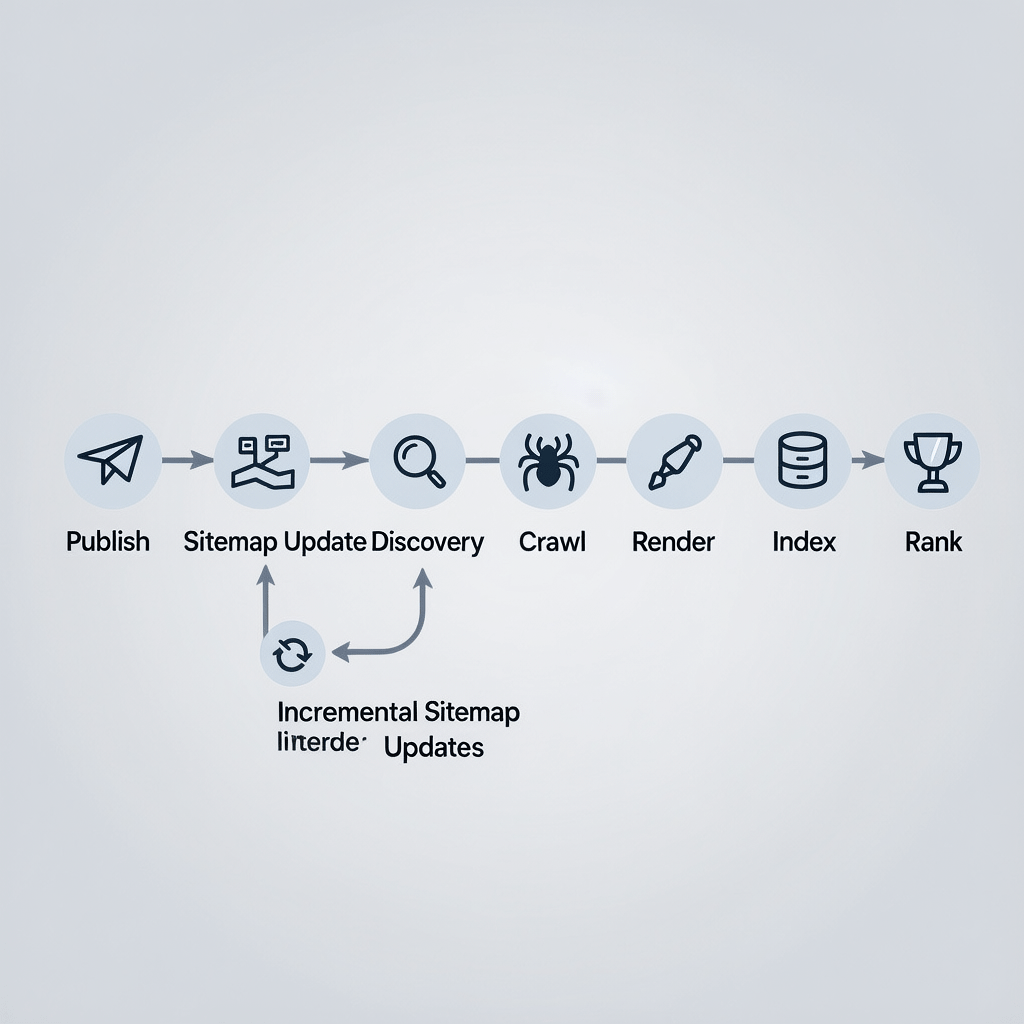
For very large catalogs, use incremental sitemaps that list only recently updated URLs. Pair that with a stable core sitemap of evergreen pages. This pattern fits the realities of big crawl queues and aligns with sitemap best practices 2025.
International sites and hreflang in sitemaps
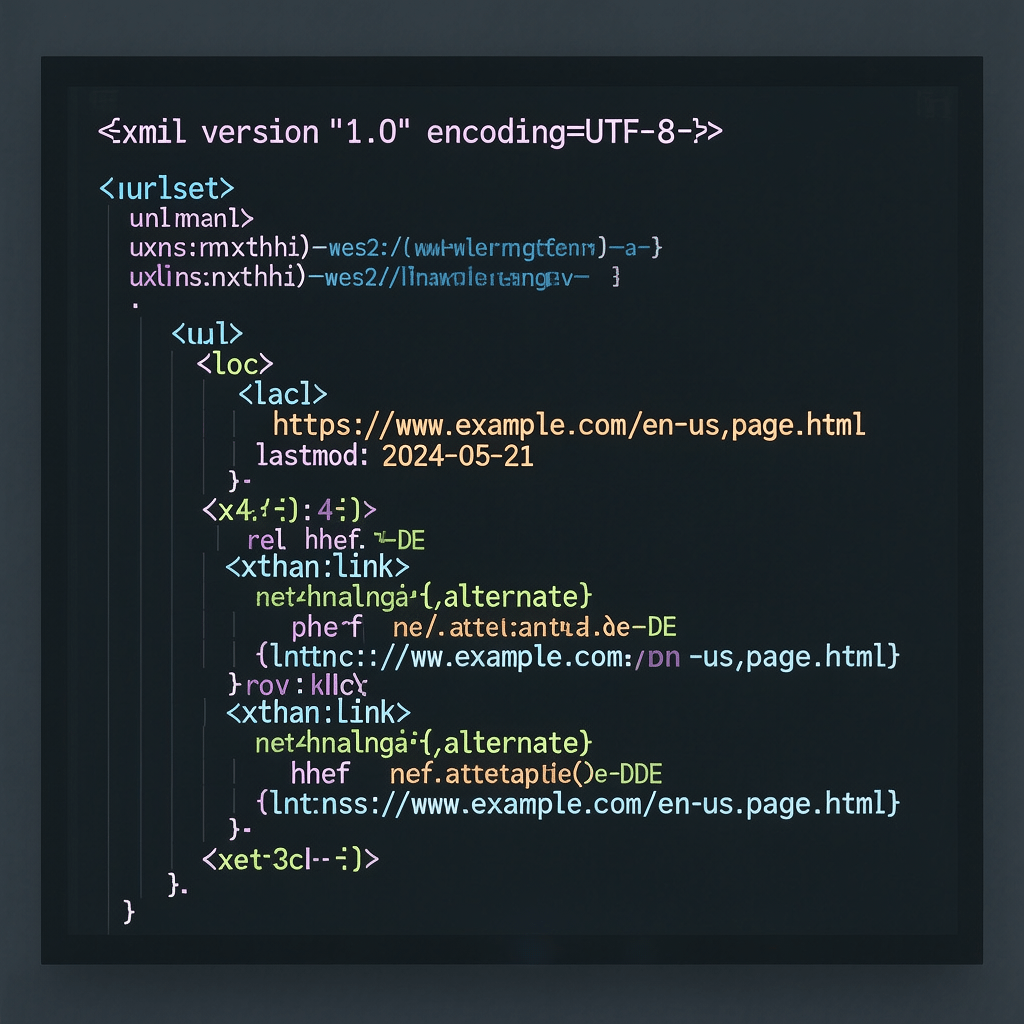
Multilingual sites can declare hreflang clusters directly in sitemaps using xhtml:link annotations. This reduces duplication work and keeps URL sets tidy.
Validate that each cluster is reciprocal and complete. Missing pairs cause confusion. Keeping hreflang correct is part of sitemap best practices 2025 for global brands.
Use region and language codes precisely. For example, en-GB and en-US target different audiences. Consistency across sitemaps and HTML prevents drift.
Image and video sitemaps for rich results
When images drive discovery, list them in image sitemaps. Provide descriptive titles, captions, and licensing where relevant. This makes your media easier to surface.
For video, add duration, publication date, and embed locations. Pair with structured data on page for maximum clarity. Rich media deserves the same rigor you apply to sitemap best practices 2025.
Single page apps, headless builds, and JS frameworks
SPAs still need server discoverability. Pre-render or SSR where appropriate, and generate sitemaps from your source of truth, not the rendered output.
Persist a stable URL inventory during deploys. If routes change, ship redirects and update sitemaps in the same release to avoid gaps that weaken sitemap best practices 2025.
Ecommerce and faceted navigation
Product indexes change fast. Use incremental sitemaps for recently updated products and keep category sitemaps smaller for agility.
Exclude faceted and parameterized URLs unless you canonically index them. Build rules that collapse infinite combinations into a curated set. This discipline supports sitemap best practices 2025 without sacrificing UX.
Monitoring, QA, and continuous improvement
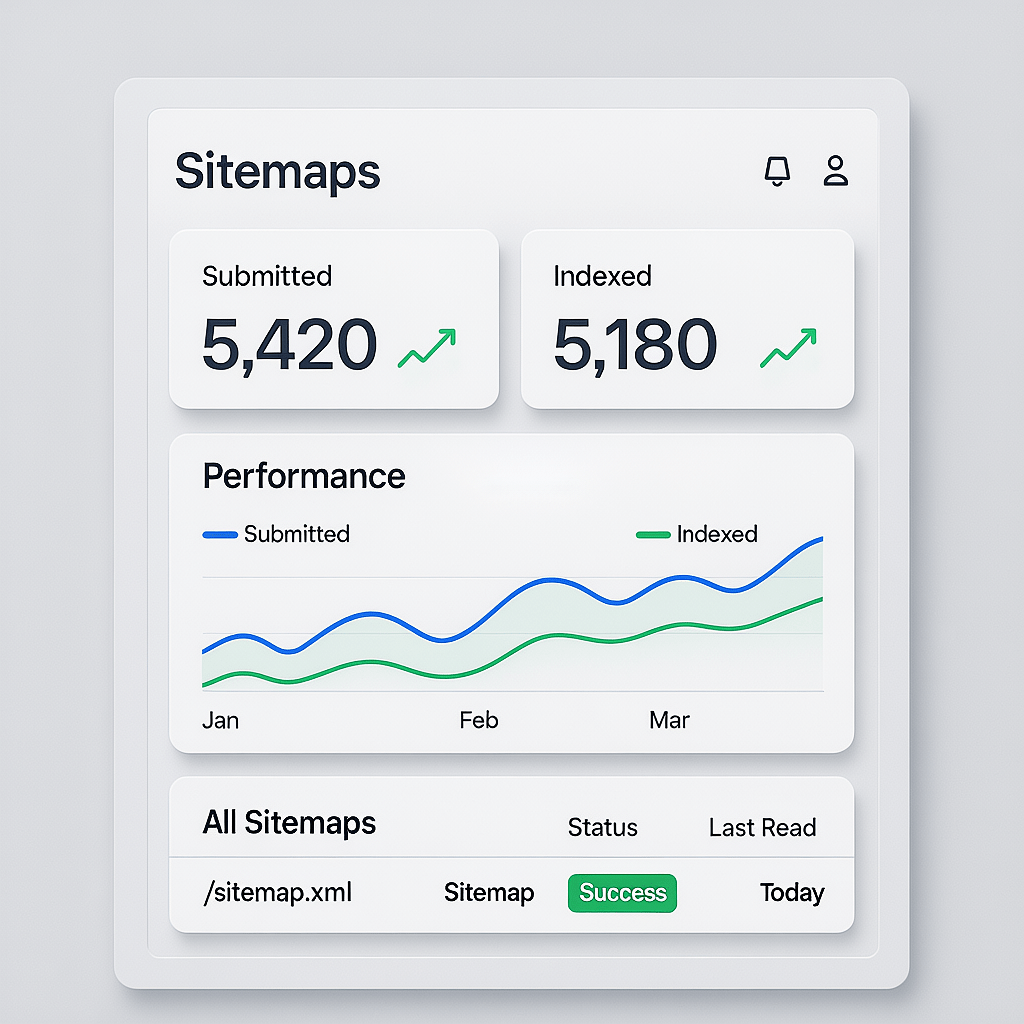
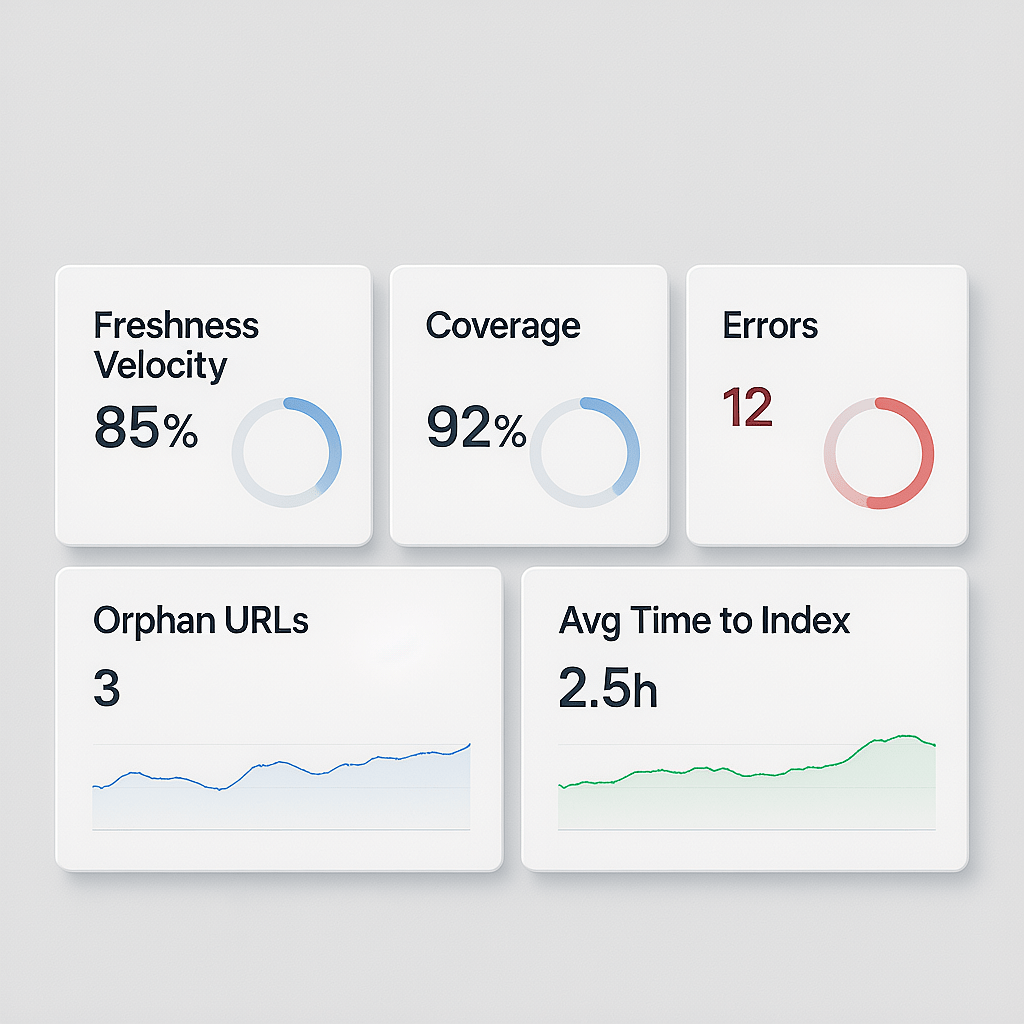
Measure what matters. Track freshness velocity, error rates, and coverage gaps. Align your dashboards to visibility outcomes, not just counts.
Use server logs to see crawler behavior at the URL level. Compare crawl hits against your sitemap to find orphans and dead ends. A feedback loop is essential to sitemap best practices 2025.
For a deeper analytics layer, connect your reporting to index status, impressions, and clicks. Tie changes in sitemap composition to real search performance shifts.
Automation and CMS integration
Automate sitemap regeneration on publish, update, and delete events. Regenerate incrementally to avoid rewriting the entire inventory every time.
In WordPress, Shopify, and headless stacks, hook into content workflows to keep lastmod honest. This habit is low lift and high impact for sitemap best practices 2025.
Back your automation with tests. Validate XML structure, URL format, and indexability flags before deploying updated sitemaps.
Performance, caching, and page speed for sitemaps
Serve sitemaps from robust infrastructure. Enable gzip, HTTP caching, and a CDN where practical. Fast fetches help crawlers recycle their budget on actual content.
Compress all images on your pages and in this article for fast loading. Cache media and set sensible TTLs. These habits support a healthy crawl environment and reinforce sitemap best practices 2025.
How to put this into action in 7 steps
Use this compact workflow to operationalize your plan and align it with sitemap best practices 2025.
- Inventory canonical, indexable URLs with a full site crawl. Fix canonicals and remove noindex pages from your working list.
- Segment by type and change rate. Create separate sitemaps for static pages, dynamic posts, products, and media.
- Add accurate lastmod only. Update timestamps only when content meaningfully changes.
- Compress, host, and declare. Gzip your files, serve over HTTPS, add a Sitemap directive in robots.txt, and submit the sitemap index.
- Automate updates. Regenerate incrementally on publish or update events to honor sitemap best practices 2025.
- Validate weekly. Check Search Console Sitemaps, analyze errors, and reconcile index coverage with sitemap contents.
- Iterate with data. Tie changes in sitemap composition to impressions, clicks, and index growth.
A practical blueprint you can copy
Start with a lean sitemap index file that lists child sitemaps by type. Keep blog and product change logs in incremental files for the last 14 days. Promote URLs to the core sitemaps when they stabilize.
Run nightly validation that compares sitemap URLs against live status codes, canonical tags, and robots directives. Block builds if thresholds fail. This level of hygiene will keep your implementation aligned with sitemap best practices 2025.
Tie dashboards to key outcomes. Aim for higher inclusion rates, faster average indexing time for new URLs, and fewer dead links submitted. Ship small improvements continuously.
Technical notes and pro tips
- Do not list staging or test domains in production sitemaps.
- Keep URLs lowercase and consistent. Avoid trailing slash drift unless you standardize it.
- Do not include UTM or tracking parameters in URLs.
- When retiring content, 410 it and remove from sitemaps during the same release.
- Large enterprises can pair sitemaps with IndexNow for certain engines. Use judiciously with incremental sitemaps.
- News sites should use the news sitemap format limited to the last 48 hours of articles.
- Validate XML with strict parsers to catch encoding and entity issues before submission.
Where services add leverage
If you want help folding this into your broader technical SEO roadmap, expert SEO services can accelerate implementation without detours.
When you need to align architecture with crawl efficiency, well planned website design and development work pays off for years.
To quantify impact over time, plug your dashboards into robust analytics reporting so decisions are guided by data, not hunches.
Clients at Brand Nexus Studios value the compounding effects of small, accurate sitemap changes over big flashy rebuilds. The quiet, boring stuff often wins.
The definitive checklist
Use this reference list during reviews so your team stays aligned with sitemap best practices 2025.
- Only list canonical, indexable, 200-status URLs that you actively want indexed per sitemap best practices 2025.
- Keep lastmod accurate. Update on meaningful change only to maintain sitemap best practices 2025.
- Segment with a sitemap index. Keep child files small and focused to execute sitemap best practices 2025 at scale.
- Serve over HTTPS, gzip files, and respect size and URL count limits.
- Declare in robots.txt and submit the index in Search Console.
- Automate regeneration on content events and validate before deploy.
- Monitor coverage, crawl errors, and freshness metrics in dashboards.
- Exclude noindex, redirects, parameters, duplicates, and soft 404s.
- Use image and video sitemaps when media is a growth lever.
- Keep hreflang clusters complete and reciprocal across languages.
FAQs
What is the most important rule in sitemap best practices 2025?
Only include self canonical, indexable URLs that return 200. This keeps trust high and crawls efficient.
How often should I update my sitemap?
Update on change. Automate incremental regeneration so your lastmod reflects reality within minutes.
Does priority matter anymore?
No. Priority is ignored by Google. Focus on clean URLs, correct lastmod, and predictable performance.
Should I include pagination and filters?
Only if you intentionally index those URLs and set self canonicals. Otherwise exclude parameters and leave discovery to internal links.
Can I host my sitemap on a CDN?
Yes, but keep the hostname consistent with your site. Serve over HTTPS, honor caching, and avoid query parameters.
What about news and video sitemaps?
Use them if those formats are core to your strategy. Follow the format rules and keep news files limited to the last 48 hours.
How do I validate implementation quality?
Use Search Console Sitemaps, URL inspection, server logs, and automated tests to catch mismatches early and keep up with sitemap best practices 2025.
Wrapping up and next steps
Strong results come from consistent basics. Treat your sitemap as a living inventory, not a set-and-forget file. Iterate constantly and your visibility compounds.
If you want a seasoned partner to operationalize these systems, Brand Nexus Studios can help you plan, implement, and maintain a clean sitemap program as part of broader technical SEO.
Have questions or wins to share about sitemap best practices 2025? Comment below, subscribe for updates, or email us at info@brandnexusstudios.co.za. You can also reach the team via our contact page.
References
About the Author





Wow, marvelous blog layout! How long have you been blogging for?
you make blogging look easy. The overall look of your site is fantastic,
as well as the content!
My page … BUY VALIUM ONLINE