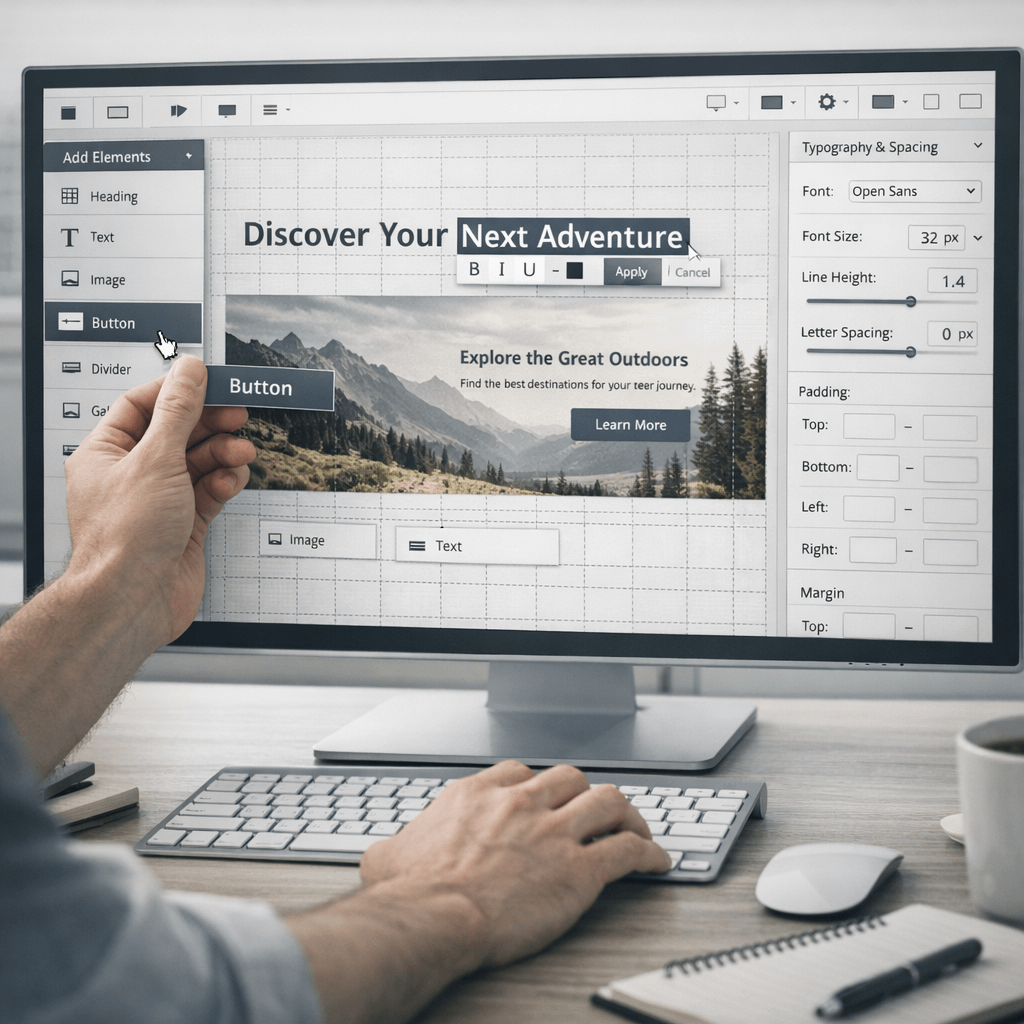

A modern AI-powered dashboard showcasing real-time user data analysis for personalized website experiences.
10 Proven AI Website Personalization Strategies for 2025
Want to skyrocket your website’s conversions in 2025? An AI website personalization strategy is the game-changer you need. By leveraging artificial intelligence, businesses can create dynamic, user-centric experiences that drive engagement and boost sales. At Brand Nexus Studios, we specialize in crafting personalized digital solutions that transform websites into conversion machines. In this comprehensive guide, we’ll explore 10 proven AI website personalization strategies to elevate your user experience, optimize conversions, and position your business ahead of the competition in 2025.
The Power of AI Website Personalization
In today’s digital landscape, users expect more than generic websites. They demand experiences tailored to their unique needs, preferences, and behaviors. An effective AI website personalization strategy harnesses real-time data to deliver customized content, resulting in higher engagement, increased customer loyalty, and improved conversion rates. According to a 2024 McKinsey study, companies leveraging AI personalization achieve up to a 30% increase in conversions, making it a critical tool for businesses aiming to thrive in a competitive market.
But what makes AI so powerful for personalization? Unlike traditional methods, AI can process vast amounts of data instantly, identifying patterns and predicting user behavior with unparalleled accuracy. This enables businesses to deliver hyper-relevant content at the right moment, creating seamless and delightful user experiences. Let’s dive into the 10 strategies that can transform your website into a personalized powerhouse.
1. Dynamic Content Recommendations
Ever wondered how platforms like Amazon or Netflix seem to know exactly what you want? That’s the magic of AI-driven dynamic content recommendations. By analyzing user behavior, such as browsing history, clicks, and time spent on pages, AI can suggest blog posts, products, or services tailored to individual interests. For instance, an e-commerce site might display a “You Might Like” section featuring products based on a user’s recent searches.
Implementing dynamic content recommendations requires a robust AI engine capable of processing real-time data. Tools like Algolia, Dynamic Yield, or Bloomreach are excellent choices for businesses looking to integrate this technology. These platforms analyze user interactions and deliver personalized content seamlessly within your existing content management system (CMS).
- Choose AI tools like Algolia or Dynamic Yield for accurate content suggestions.
- Integrate recommendation engines with your CMS for smooth operation.
- Monitor click-through rates and engagement metrics to refine recommendations over time.
- Ensure recommendations align with your brand’s aesthetic and goals.
At Brand Nexus Studios, we specialize in implementing AI-driven recommendation systems that enhance user engagement and drive sales. By tailoring content to individual users, you can create a more compelling experience that keeps visitors coming back.

2. Personalized Landing Pages
Gone are the days of one-size-fits-all landing pages. With AI, you can create dynamic landing pages that adapt to user demographics, location, referral sources, or even browsing behavior. For example, a visitor from Cape Town might see a landing page highlighting local services, while someone from Johannesburg is shown a tailored offer relevant to their city.
AI-powered landing pages rely on data segmentation to deliver the right content to the right user. Platforms like HubSpot or Adobe Experience Manager allow you to create multiple page variations based on user profiles. By leveraging geolocation, device type, or referral channels, you can ensure every visitor sees a page designed specifically for them.
- Segment users by geolocation, device type, or referral source for targeted content.
- Use AI platforms like HubSpot to automate landing page variations.
- Conduct A/B testing to identify the most effective page designs.
- Track conversion rates to optimize landing page performance.
Personalized landing pages can significantly boost conversions by addressing user needs directly. For example, a 2023 study by HubSpot found that personalized landing pages increased conversions by up to 20% compared to generic pages.
3. Real-Time Behavioral Triggers
Timing is everything in digital marketing. AI can detect user actions in real-time, such as time spent on a page, mouse movements, or cart abandonment, and trigger personalized responses to keep users engaged. For instance, if a user hesitates at checkout, AI can display a pop-up offering a limited-time discount to encourage completion of the purchase.
Real-time behavioral triggers rely on AI’s ability to analyze user sessions instantly. Tools like Optimizely or Evergage allow you to set up triggers based on specific actions, such as exit intent or prolonged inactivity. These triggers can deliver personalized messages, discounts, or calls-to-action that resonate with users at critical moments.
- Implement AI tools like Optimizely for real-time behavioral triggers.
- Use exit-intent pop-ups to retain visitors and reduce bounce rates.
- Monitor user sessions to identify drop-off points and optimize triggers.
- Test different trigger messages to find the most effective approach.
By responding to user behavior in real-time, you can create a sense of urgency and relevance that drives conversions. For example, a retail website using AI triggers saw a 15% reduction in cart abandonment rates after implementing personalized pop-ups.

4. AI-Powered Chatbots
Chatbots have evolved far beyond simple customer support tools. Today’s AI-powered chatbots can guide users through your website, answer complex questions, and recommend products or services based on user queries. This creates a conversational, personalized experience that feels human-like and engaging.
Modern chatbot platforms like Drift, Intercom, or Ada use natural language processing (NLP) to understand user intent and deliver tailored responses. For example, a chatbot on an e-commerce site can suggest products based on a user’s search query or past purchases, increasing the likelihood of a sale.
- Choose AI chatbot platforms like Drift or Intercom for seamless integration.
- Train chatbots with user data to improve response accuracy over time.
- Integrate with CRM systems to capture leads and personalize interactions.
- Use analytics to track chatbot performance and user satisfaction.
AI chatbots are a powerful way to enhance user experience and streamline customer interactions.
5. Predictive Analytics for User Segmentation
Understanding your audience is key to personalization, and AI makes it easier with predictive analytics. By analyzing historical data, AI can predict user behavior and segment audiences into meaningful groups, such as high-value customers, frequent visitors, or first-time buyers.
Predictive analytics tools like Google Analytics 4 or Salesforce Einstein enable businesses to create detailed user segments based on behavior, demographics, or purchase history. These segments allow you to tailor content, offers, and campaigns to specific audience groups, maximizing relevance and impact.
- Use tools like Google Analytics 4 for predictive insights and segmentation.
- Create segments for returning visitors, new users, or high spenders.
- Tailor marketing campaigns to each segment for maximum engagement.
- Regularly update segments based on new data to maintain accuracy.
Predictive analytics can transform how you approach personalization, enabling you to anticipate user needs and deliver targeted experiences. For instance, a travel website using predictive analytics increased bookings by 25% by targeting high-intent users with personalized offers.
6. Personalized Email Campaigns
Email marketing remains a cornerstone of digital strategy, and AI takes it to the next level by personalizing every aspect of the email experience. From subject lines to content and send times, AI can optimize emails based on user behavior, preferences, and engagement history.
Platforms like Mailchimp, Klaviyo, or ActiveCampaign use AI to craft emails that resonate with individual users. For example, AI can determine the best time to send an email to maximize open rates or personalize content with a user’s name and past purchases.
- Use AI-driven email platforms like Klaviyo for personalized campaigns.
- Personalize subject lines and content with user-specific data.
- Optimize send times based on user behavior and time zones.
- Track open rates, click-through rates, and conversions to refine campaigns.
Personalized emails can significantly boost engagement. A 2024 study by Klaviyo found that personalized emails had a 37% higher open rate compared to generic emails.

7. Dynamic Pricing Models
Dynamic pricing is a powerful AI-driven strategy for e-commerce businesses. By analyzing user behavior, demand, and competitor pricing, AI can adjust prices in real-time to maximize revenue and stay competitive. For example, a travel website might offer lower prices to users who frequently browse but haven’t booked.
Tools like Pricefx or Dynamic Pricing by Prisync enable businesses to implement dynamic pricing strategies effectively. These platforms analyze market trends and user data to recommend optimal price points for different customer segments.
- Use AI tools like Pricefx for real-time pricing adjustments.
- Monitor competitor pricing to ensure competitive offers.
- Test pricing strategies to balance profitability and customer satisfaction.
- Ensure transparency to maintain customer trust.
Dynamic pricing can increase revenue by up to 25%, according to a 2023 study by Pricefx, but it requires careful implementation to avoid alienating customers.
8. Voice Search Optimization
With the rise of voice assistants like Siri and Alexa, optimizing for voice search is a must for any AI website personalization strategy. AI can analyze voice queries to understand user intent and deliver personalized content that matches conversational search patterns.
Voice searches tend to be longer and more conversational than text searches, often including phrases like “best restaurants near me” or “how to fix a leaky faucet.” By optimizing for these queries, you can capture a growing segment of users relying on voice assistants.
- Optimize for long-tail, conversational keywords relevant to your niche.
- Use AI tools like SEMrush or Ahrefs for voice search insights.
- Ensure your website is mobile-friendly to accommodate voice search users.
- Create FAQ sections to address common voice search queries.
Voice search optimization can drive significant traffic, as voice searches accounted for 20% of all searches in 2024, according to SEMrush.
9. AI-Driven A/B Testing
Traditional A/B testing can be time-consuming and limited in scope. AI-driven A/B testing accelerates the process by analyzing user responses in real-time and automatically optimizing for the best-performing variant. This allows businesses to test headlines, CTAs, layouts, and more with unprecedented efficiency.
Tools like VWO or Google Optimize use AI to run multivariate tests and identify winning variations quickly. By leveraging AI, you can optimize website elements for maximum engagement and conversions without manual intervention.
- Use AI-driven testing tools like VWO for efficient A/B testing.
- Test multiple elements, such as headlines, CTAs, and page layouts.
- Analyze test results to inform future personalization strategies.
- Automate testing cycles to save time and resources.
AI-driven A/B testing can reduce testing time by up to 50%, allowing you to implement winning strategies faster and improve user experience.

10. Contextual Content Delivery
Context is king when it comes to personalization. AI can deliver content based on a user’s context, such as time of day, weather, location, or device type. For example, a restaurant website might promote breakfast menus in the morning and dinner specials in the evening, or highlight outdoor dining options on sunny days.
Platforms like Adobe Experience Manager or Sitecore enable contextual content delivery by integrating with external APIs, such as weather or location services. This allows you to create highly relevant experiences that resonate with users in real-time.
- Use AI platforms like Adobe Experience Manager for contextual delivery.
- Integrate with weather or location APIs for dynamic content.
- Monitor user feedback to refine contextual strategies.
- Ensure content aligns with user expectations and brand messaging.
Contextual content delivery can increase engagement by up to 40%, as users are more likely to interact with content that feels relevant to their current situation.
Challenges of Implementing AI Website Personalization
While the benefits of an AI website personalization strategy are undeniable, implementation comes with challenges. Understanding these hurdles can help you prepare and succeed in your personalization efforts.
Data Privacy and Compliance
Personalization relies on user data, which raises concerns about privacy and compliance with regulations like GDPR or POPIA. Businesses must ensure transparent data collection practices and obtain user consent to avoid legal issues.
- Implement clear privacy policies and consent forms.
- Use secure data storage and encryption to protect user information.
- Regularly audit compliance with data protection regulations.
Learn more about our commitment to privacy at Brand Nexus Studios’ Privacy Policy.
Integration with Existing Systems
Integrating AI tools with your existing CMS, CRM, or e-commerce platform can be complex. Ensuring compatibility and seamless data flow is critical for a successful personalization strategy.
- Choose AI tools compatible with your current tech stack.
- Work with experienced developers to streamline integration.
- Test integrations thoroughly to avoid disruptions.
Cost Considerations
While some AI tools are affordable, advanced personalization platforms can be costly, especially for small businesses. However, the return on investment (ROI) from increased conversions often justifies the expense.
- Start with cost-effective tools like Google Analytics 4 or Mailchimp.
- Scale up to premium platforms as your budget allows.
- Partner with agencies like Brand Nexus Studios for cost-efficient solutions.
Measuring the Success of Your AI Personalization Strategy
To ensure your AI website personalization strategy is effective, you need to track key performance indicators (KPIs). These metrics provide insights into how well your personalization efforts are resonating with users.
- Conversion Rate: Measure the percentage of visitors who complete desired actions, such as making a purchase or filling out a form.
- Engagement Metrics: Track time on page, bounce rate, and pages per session to gauge user interest.
- Customer Retention: Monitor repeat visits and customer lifetime value to assess loyalty.
- Revenue Impact: Analyze how personalization affects overall revenue and average order value.
Tools like Google Analytics, Hotjar, or Mixpanel can help you track these KPIs and refine your strategy over time.
FAQs About AI Website Personalization
What is an AI website personalization strategy?
An AI website personalization strategy uses artificial intelligence to tailor website content, design, and user experiences based on real-time user data, improving engagement and conversions.
How does AI improve website personalization?
AI analyzes user behavior, preferences, and demographics to deliver dynamic content, such as personalized product recommendations or tailored landing pages, enhancing user satisfaction.
What are the benefits of AI website personalization?
Benefits include higher conversion rates, improved user engagement, increased customer loyalty, and data-driven insights for optimizing marketing strategies.
Can small businesses implement AI personalization?
Yes, small businesses can use affordable AI tools like personalization platforms or APIs to implement tailored experiences, often with the help of agencies like Brand Nexus Studios.
What tools are best for AI website personalization?
Popular tools include Algolia for content recommendations, HubSpot for landing pages, Optimizely for behavioral triggers, and Klaviyo for email personalization.
Ready to transform your website with an AI website personalization strategy? Contact Brand Nexus Studios today to boost your conversions and create unforgettable user experiences!
References
- McKinsey: The Value of Personalization
- HubSpot: Personalization Tools
- Optimizely: Personalization Guide
About the Author