
A website with FAQ schema enhances local SEO performance.
5 Powerful Reasons FAQ Schema for Local SEO Wins in 2025
Are you looking to dominate local search rankings in 2025? FAQ schema for local SEO is a game-changer that can elevate your business’s online presence. This structured data tool helps search engines like Google understand your content, making it easier for local customers to find you. At Brand Nexus Studios, we’ve seen how FAQ schema transforms local SEO strategies for businesses of all sizes. Let’s explore why FAQ schema for local SEO is a must-have in 2025 and how it can drive more traffic to your website.
Understanding FAQ Schema and Its Role in Local SEO
FAQ schema is a type of structured data markup that organizes frequently asked questions (FAQs) and their answers in a format that search engines can easily interpret. For local SEO, this is a powerful tool because it directly addresses the specific needs of nearby customers. By implementing FAQ schema, you can answer questions like “Where can I find the best pizza in Cape Town?” or “What are the top salons in Johannesburg?” in a way that boosts your visibility in local search results.
This structured data doesn’t just help search engines – it also enhances the user experience. When potential customers find quick, relevant answers to their queries, they’re more likely to trust your business and engage with your site. For example, a local bakery could use FAQ schema to answer questions about gluten-free options or delivery areas, making their website a go-to resource for local searchers.

1. Skyrockets Rich Snippets and Click-Through Rates
One of the biggest advantages of FAQ schema for local SEO is its ability to land your website in Google’s rich snippets. These are the eye-catching question-and-answer boxes that often appear at the top of search results, grabbing user attention. By structuring your FAQs with schema markup, you increase the likelihood of your content being featured in these prominent positions.
Rich snippets are a goldmine for local businesses. For instance, a plumber in Pretoria could use FAQ schema to answer “How much does emergency plumbing cost?” If this answer appears in a rich snippet, it can drive significantly more clicks to their website. Higher click-through rates (CTR) signal to Google that your content is valuable, further boosting your rankings.
At Brand Nexus Studios, we’ve helped clients leverage FAQ schema to achieve higher CTRs, making their websites stand out in crowded local search results. The result? More traffic and more customers walking through your door.
2. Optimizes for the Voice Search Revolution
Voice search is no longer a trend – it’s a dominant force in 2025. With more people using devices like Google Assistant, Alexa, and Siri to find local businesses, FAQ schema for local SEO is critical. Why? Because it provides concise, structured answers that voice assistants can easily read aloud to users.
Imagine a user asking, “What’s the best coffee shop in Durban?” If your FAQ page uses schema markup to answer this question, your business could be the one recommended by the voice assistant. This is a massive opportunity for local businesses to capture voice search traffic, which is often highly targeted and conversion-ready.
FAQ schema ensures your answers are formatted in a way that aligns with how voice assistants process information. By focusing on local queries, you can position your business as the top choice for voice search users in your area.

.
3. Strengthens Local Relevance and User Engagement
Local SEO thrives on relevance, and FAQ schema helps you establish your business as a local authority. By answering specific, location-based questions, you signal to search engines that your website is highly relevant to users in your area. For example, a gym in Sandton could use FAQ schema to answer “What are the best fitness classes in Sandton?” This not only boosts your SEO but also builds trust with potential customers.
FAQ pages also improve user engagement by keeping visitors on your site longer. When users find answers to their questions, they’re less likely to bounce back to the search results. Lower bounce rates and higher dwell times are positive signals to Google, which can improve your rankings over time.
At Brand Nexus Studios, we craft FAQ sections that resonate with local audiences, ensuring your content is both engaging and optimized for search engines. This dual focus helps you connect with customers while climbing the search rankings.
Why Engagement Matters for Local SEO
Engagement metrics like time on page and bounce rate play a significant role in local SEO. FAQ schema encourages users to explore your site by providing valuable, easy-to-digest information. For instance, a restaurant could include FAQs about menu options, dietary restrictions, or reservation policies, keeping users engaged and encouraging them to take action, like booking a table.
By combining FAQ schema with compelling content, you create a seamless user experience that drives conversions. Whether it’s a phone call, a form submission, or a visit to your store, engaged users are more likely to become customers.
4. Targets Long-Tail Keywords for Competitive Edge
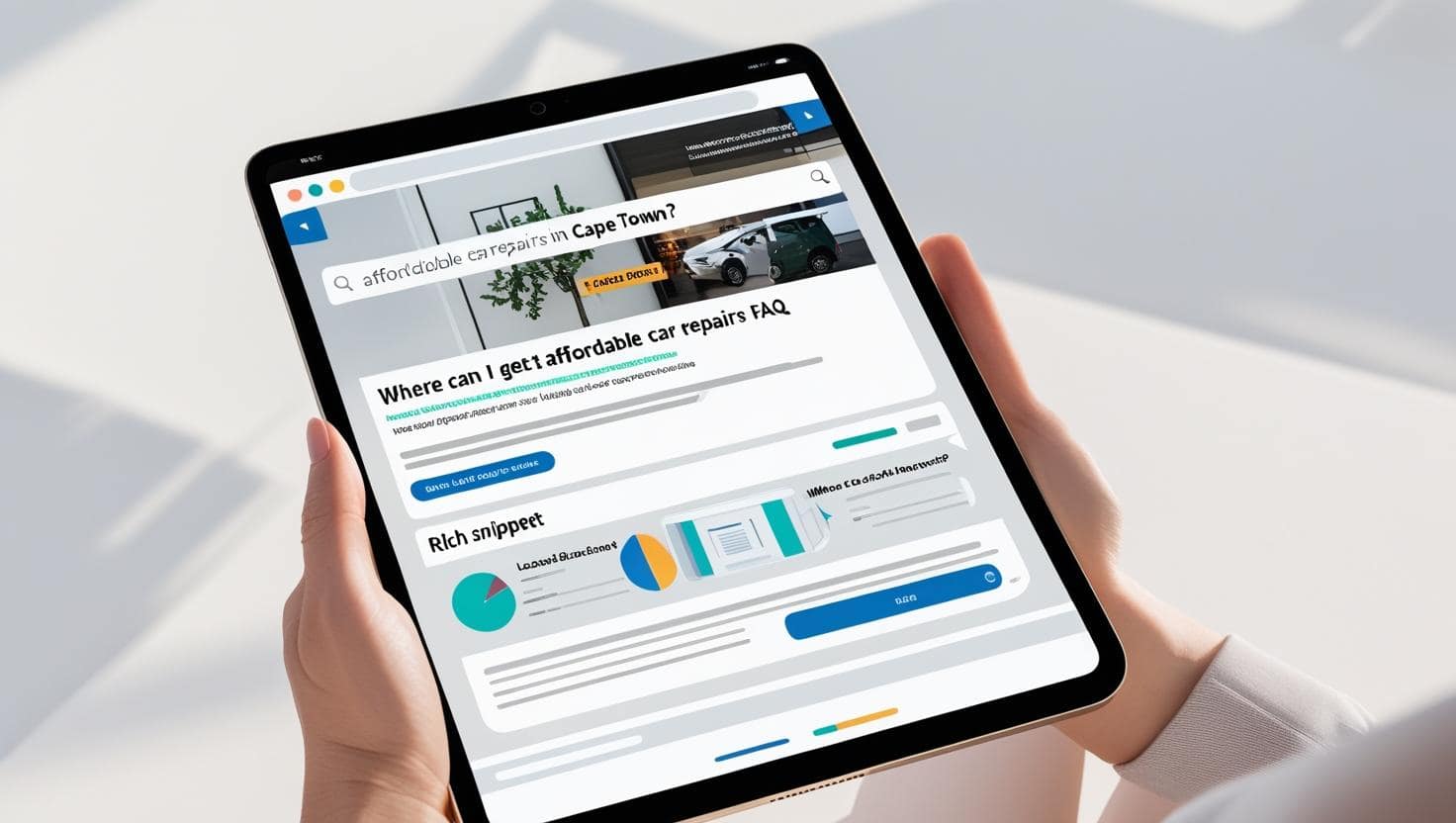
Long-tail keywords are the secret sauce of local SEO, and FAQ schema is the perfect tool to target them. These are specific, low-competition phrases that users search for, like “Where can I get affordable car repairs in Cape Town?” or “Best family-friendly restaurants in Pretoria.” By incorporating these questions into your FAQ schema, you can rank for niche searches that larger competitors might overlook.
Long-tail keywords are especially valuable for small businesses. They attract highly motivated users who are ready to make a purchase or book a service. FAQ schema makes it easy to optimize for these queries by structuring your content in a question-and-answer format that aligns with user intent.
For example, a local pet store could answer “What are the best dog grooming services in Johannesburg?” with FAQ schema. This not only improves their chances of ranking for that specific query but also positions them as a trusted resource for pet owners in the area.
By working with Brand Nexus Studios, you can identify the most effective long-tail keywords for your business and integrate them into your FAQ schema for maximum impact.
Leveraging Long-Tail Keywords Effectively
To make the most of long-tail keywords, focus on questions that reflect your audience’s pain points or needs. Use tools like Google’s “People Also Ask” feature or keyword research platforms to uncover popular local queries. Then, craft answers that are concise, informative, and optimized with FAQ schema.
Don’t forget to include location-specific details in your answers. Mentioning neighborhoods, landmarks, or local events makes your content more relevant and appealing to both users and search engines.

5. Simple Implementation with Massive SEO Rewards
One of the best things about FAQ schema for local SEO is how easy it is to implement. With tools like JSON-LD generators or WordPress plugins, you can add schema markup to your website without advanced coding skills. However, to truly maximize its impact, you need to ensure your FAQs are tailored to local search intent and free of technical errors.
At Brand Nexus Studios, we specialize in creating SEO-optimized FAQ sections that drive results. From crafting relevant questions to implementing error-free schema markup, we handle every detail to ensure your website performs at its best.
The rewards of FAQ schema are significant. Not only does it improve your chances of appearing in rich snippets and voice search results, but it also enhances your overall SEO performance. By making your content more accessible to search engines, you increase your visibility and attract more local customers.
Common Mistakes to Avoid with FAQ Schema
While FAQ schema is user-friendly, there are pitfalls to avoid. For example, overloading your FAQ page with irrelevant questions can dilute its effectiveness. Focus on queries that align with your business and local audience. Additionally, ensure your schema markup is valid by testing it with Google’s Rich Results Test.
Another common mistake is neglecting mobile optimization. Since many local searches happen on mobile devices, your FAQ page must be responsive and load quickly. Compress images and use caching to ensure a seamless user experience.
Step-by-Step Guide to Implementing FAQ Schema for Local SEO
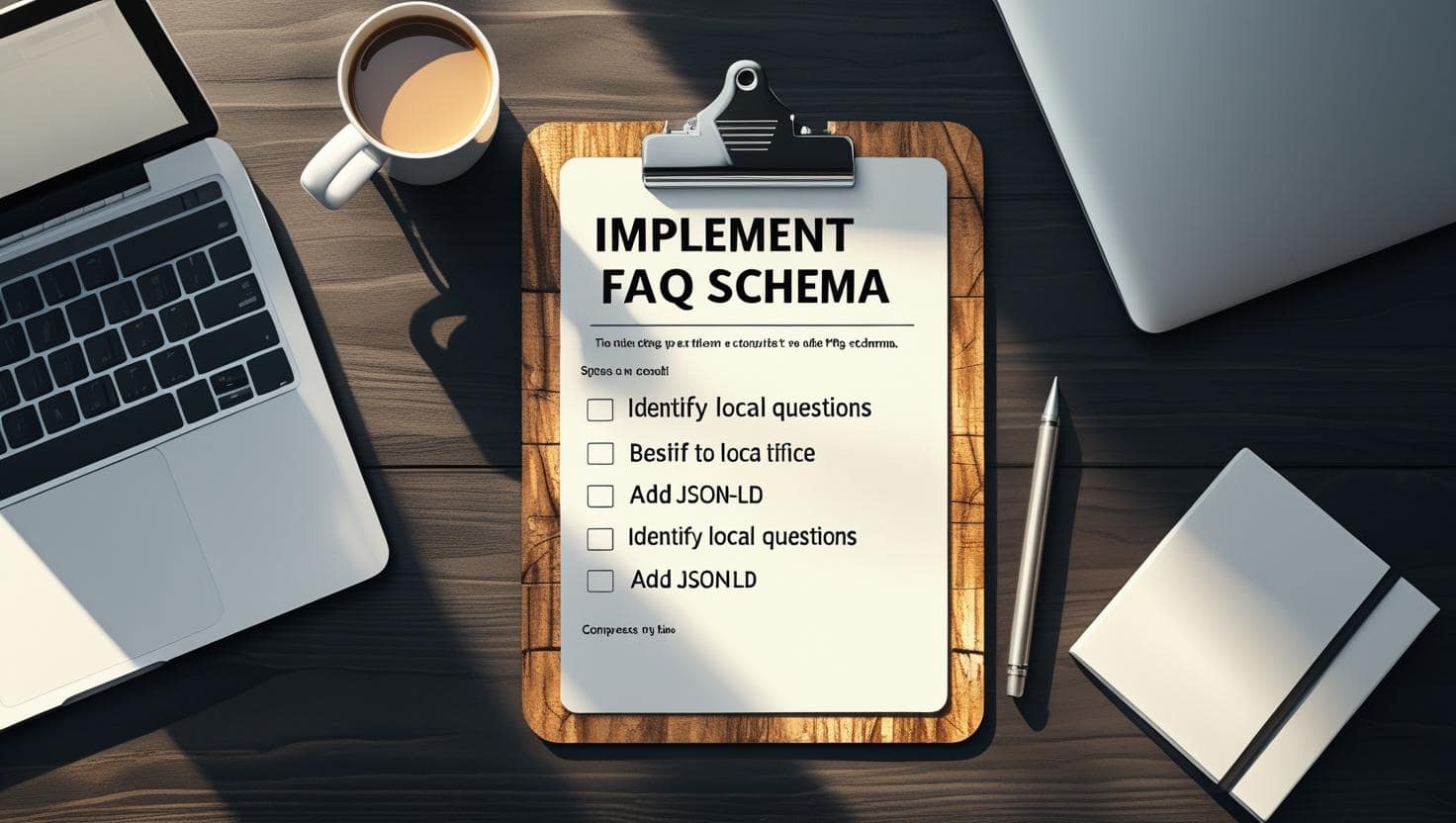
Ready to harness the power of FAQ schema for your local business? Follow this detailed guide to get started:
- Research Local Questions: Use tools like Google Keyword Planner or AnswerThePublic to identify common questions your target audience asks. Focus on location-specific queries, such as “Best pet groomers in Sandton.”
- Craft Compelling Answers: Write clear, concise answers that address user needs. Include local keywords and details to enhance relevance.
- Implement Schema Markup: Use JSON-LD to structure your FAQs. You can manually code the markup or use a plugin like Yoast SEO for WordPress.
- Test Your Schema: Run your markup through Google’s Rich Results Test to ensure it’s error-free and eligible for rich snippets.
- Optimize for Mobile: Ensure your FAQ page is responsive and loads quickly on mobile devices. Compress images and enable caching for better performance.
- Track Performance: Use analytics tools to monitor rankings, click-through rates, and user engagement. Brand Nexus Studios’ analytics services can help you measure success.
By following these steps, you can create an FAQ page that not only boosts your local SEO but also provides real value to your audience.
FAQs About FAQ Schema for Local SEO
What is FAQ schema for local SEO?
FAQ schema for local SEO is structured data markup that organizes frequently asked questions and answers in a format search engines like Google can understand, boosting local visibility.
How does FAQ schema improve local SEO rankings?
FAQ schema enhances local SEO by providing clear, concise answers to user queries, increasing the chances of appearing in rich snippets and voice search results.
Can small businesses benefit from FAQ schema?
Yes, small businesses can use FAQ schema to target local search queries, improve click-through rates, and compete with larger brands in 2025.
Is FAQ schema difficult to implement for local SEO?
Implementing FAQ schema is straightforward with tools like JSON-LD generators. Partnering with experts like Brand Nexus Studios ensures proper setup.
How does FAQ schema support voice search for local businesses?
FAQ schema provides concise, structured answers that voice assistants like Google Assistant can easily read, improving visibility in voice search results for local queries.
Elevate Your Local SEO with FAQ Schema in 2025
FAQ schema for local SEO is a proven strategy to boost your visibility, attract more local customers, and stay ahead of the competition in 2025. By leveraging structured data, you can enhance your website’s performance in rich snippets, voice search, and local rankings. Don’t miss out on this opportunity to grow your business.
Ready to take your local SEO to the next level? Contact morne@brandnexusstudios.co.za at Brand Nexus Studios for expert help in implementing FAQ schema and other SEO strategies tailored to your business. Let’s make 2025 your year to shine!
References
About the Author




I completely agree that FAQ schema’s role in local SEO will only grow as we rely more on voice search. For businesses with a local presence, this is an easy win that should not be overlooked.