

A visual representation of the key metrics and elements that drive successful PPC campaigns.
Unleash 10 Ultimate Examples: Mastering Successful PPC Campaigns for Profitable Growth
The digital advertising landscape is a dynamic and often challenging arena. Businesses worldwide invest significant resources into Pay-Per-Click (PPC) campaigns, yet many struggle to achieve the desired return on investment. The key to navigating this complexity lies in understanding what truly constitutes an **example of a successful PPC** campaign. It’s not merely about generating clicks; it’s about driving tangible, profitable growth aligned with specific business objectives.
This comprehensive guide will dissect various **examples of successful PPC** campaigns across diverse industries, revealing the underlying strategies, meticulous execution tactics, and measurable outcomes that define true digital marketing mastery. We will explore what makes an **example of a successful PPC** campaign truly stand out, offering actionable insights you can immediately apply to your own paid advertising efforts. By examining real-world scenarios, we aim to provide a clear roadmap for optimizing your campaigns, enhancing your ROI, and securing a competitive edge in your market.
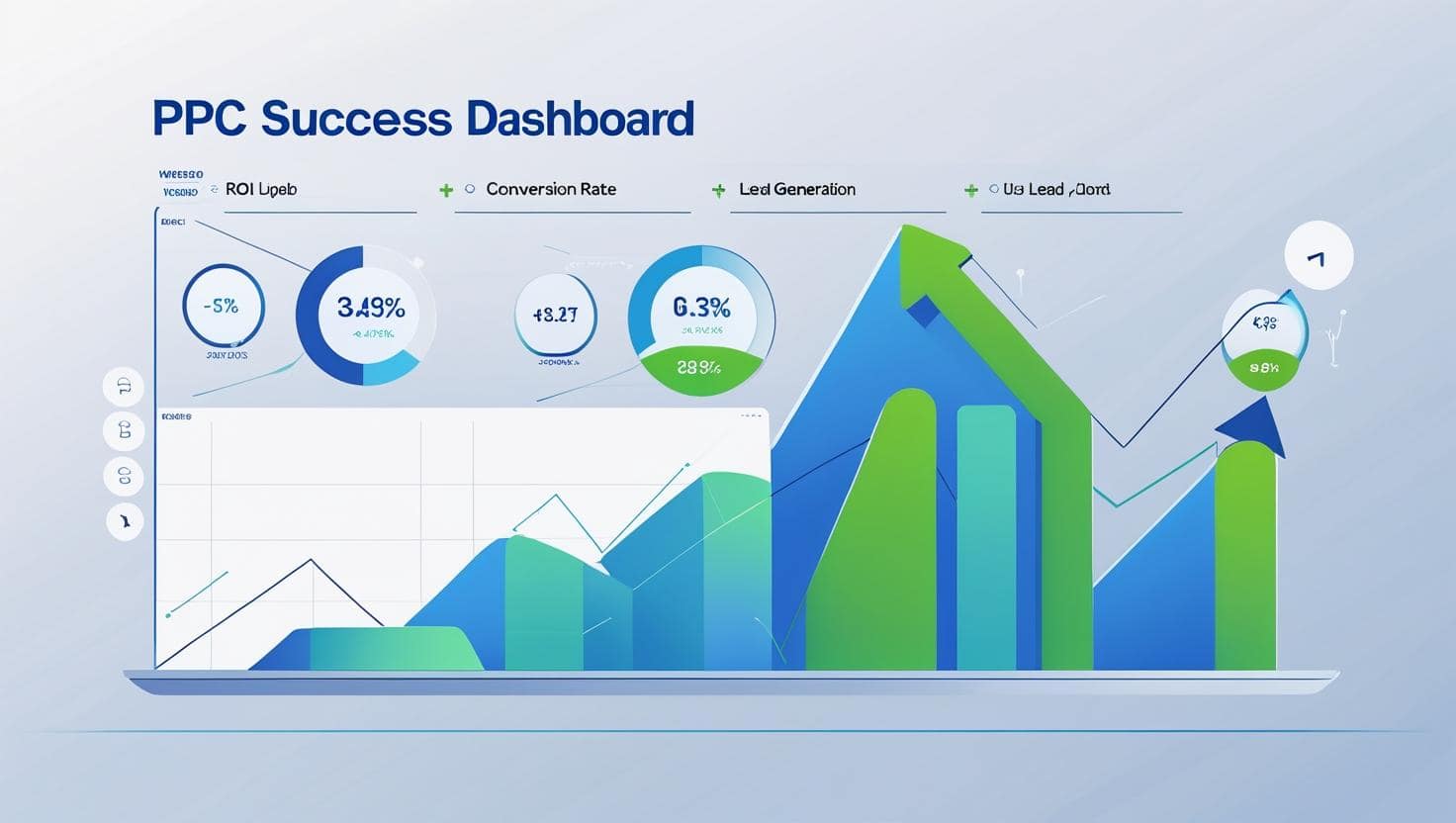
Table of Contents
- Defining a Truly Successful PPC Campaign
- Core Elements of Every Successful PPC Campaign
- Ultimate Examples of Successful PPC Campaigns Across Industries
- Example 1: B2B SaaS Company – Boosting Qualified Leads with Precision Targeting
- Example 2: E-commerce Retailer – Driving Product Sales & Maximizing ROAS
- Example 3: Local Service Business – Generating High-Volume Local Leads & Calls
- Example 4: Online Education Platform – Boosting Course Enrollments
- Example 5: Non-Profit Organization – Increasing Donations & Volunteer Sign-ups
- Example 6: Automotive Dealership – Driving Test Drives & Showroom Visits
- Example 7: Mobile App – Increasing App Downloads & User Engagement
- Example 8: Healthcare Provider – Generating Patient Appointments
- Example 9: Financial Services – Acquiring Qualified Leads for Loans/Investments
- Example 10: Travel Agency – Boosting Vacation Package Bookings
- Common Pitfalls to Avoid in PPC Campaigns
- Measuring and Optimizing Your PPC Success
- How Brand Nexus Studios Can Help You Craft Your Own Success Story
- Conclusion
Defining a Truly Successful PPC Campaign
Before diving into specific case studies, it is imperative to establish a clear definition of success within the context of PPC. A successful PPC campaign transcends mere ad impressions or clicks. It is a strategically executed initiative that consistently meets or exceeds predefined business objectives, delivering a positive return on investment (ROI) or return on ad spend (ROAS). Every truly impactful **example of a successful PPC** campaign is rooted in clear, measurable goals and data-driven decisions.
Key indicators of a successful PPC campaign include:
- High Conversion Rates: The percentage of ad clicks that result in a desired action, such as a purchase, lead form submission, or phone call. This is often the most critical metric.
- Positive Return on Ad Spend (ROAS) or Return on Investment (ROI): The revenue generated for every dollar spent on advertising. For e-commerce, a high ROAS is paramount. For lead generation, a positive ROI considers the lifetime value of a customer.
- Low Cost Per Acquisition (CPA) or Cost Per Lead (CPL): The efficiency of your spending, indicating how much it costs to acquire a new customer or lead. A lower CPA/CPL signifies greater efficiency.
- Improved Lead Quality: Beyond just quantity, a successful campaign attracts leads that are genuinely interested and likely to convert into paying customers.
- Enhanced Brand Awareness: While often a secondary goal, increased visibility and recognition among the target audience can be a significant outcome, especially for top-of-funnel campaigns.
- Strong Ad Position & Quality Score: Achieving higher ad positions at a reasonable cost, driven by a high Quality Score, indicates relevance and efficiency.
- Sustainable Growth: The ability to scale campaigns profitably over time, consistently delivering results without diminishing returns.
Understanding these metrics is foundational to identifying and replicating an **example of a successful PPC** strategy. It shifts the focus from vanity metrics to real business impact.
Core Elements of Every Successful PPC Campaign
Regardless of industry or specific goals, certain fundamental elements are consistently present in every **example of a successful PPC** campaign. Mastering these components is essential for any business aiming to achieve significant results from their paid advertising efforts.
1. Meticulous Keyword Research and Selection
Effective keyword research is the bedrock of any PPC campaign. It involves identifying the precise terms and phrases your target audience uses when searching for your products or services. This goes beyond obvious head terms to include long-tail keywords, which are more specific and often indicate higher purchase intent. A critical aspect is also identifying and implementing negative keywords – terms for which you explicitly do not want your ads to show. This prevents wasted ad spend on irrelevant searches and improves ad relevance. Comprehensive keyword research ensures your ads are seen by the right people at the right time, laying the groundwork for an **example of a successful PPC** campaign.
2. Compelling and Relevant Ad Copy
Your ad copy is your first impression. It must be concise, persuasive, and directly relevant to the user’s search query and the landing page content. Successful ad copy highlights unique selling propositions (USPs), addresses customer pain points, and includes a clear, strong call-to-action (CTA). Emotional triggers, urgency, and scarcity can also be powerful motivators. Crafting ad copy that resonates with your audience significantly boosts click-through rates (CTR) and Quality Score, making it a vital component of an **example of a successful PPC** campaign.
3. Optimized and User-Friendly Landing Pages
The landing page is where the conversion happens. A successful PPC campaign directs users to a highly relevant, fast-loading, and intuitive landing page. This page must directly fulfill the promise made in the ad copy and guide the user towards the desired conversion action. Elements like clear headlines, concise messaging, compelling visuals, trust signals (testimonials, security badges), and an easy-to-use form or clear purchase path are paramount. A disjointed or slow landing page will negate even the best ad copy and keyword targeting, preventing your campaign from becoming an **example of a successful PPC**.
4. Strategic Bidding and Budget Management
PPC platforms offer various bidding strategies, from manual bidding to automated smart bidding options like Target CPA, Target ROAS, and Maximize Conversions. The choice of bidding strategy depends on your campaign goals and data volume. Effective budget management involves allocating spend strategically across campaigns, ad groups, and keywords based on performance. Continuous monitoring and adjustment of bids are crucial to maximize visibility and efficiency while staying within budget. This strategic financial management is a hallmark of an **example of a successful PPC** campaign.
5. Precise Audience Targeting
Beyond keywords, successful PPC campaigns leverage advanced targeting options to reach the most relevant audience segments. This includes demographic targeting (age, gender, income), interest-based targeting, in-market audiences (people actively researching products/services), custom audiences, and powerful remarketing strategies (targeting users who have previously interacted with your website or app). Precision targeting minimizes wasted impressions and ensures your message reaches those most likely to convert, contributing significantly to an **example of a successful PPC**.
6. Continuous A/B Testing and Optimization
PPC is not a “set it and forget it” endeavor. The most successful campaigns are built on a foundation of continuous A/B testing. This involves testing different versions of ad copy, headlines, descriptions, CTAs, landing page layouts, images, and bidding strategies to identify what performs best. Regular analysis of performance data allows for iterative improvements, ensuring that the campaign is constantly evolving and optimizing for better results. This commitment to ongoing refinement is what separates a good campaign from an **example of a successful PPC**.
7. Robust Analytics and Conversion Tracking
Accurate tracking of conversions is non-negotiable for PPC success. Implementing robust conversion tracking (e.g., Google Ads conversion tracking, Google Analytics goals) allows you to precisely measure the impact of your campaigns on your business objectives. Beyond conversions, analyzing metrics like click-through rate (CTR), Quality Score, impression share, and search term reports provides invaluable insights for optimization. Data-driven decision-making, facilitated by comprehensive analytics, is the compass guiding every **example of a successful PPC** campaign towards its goals.
These elements collectively contribute to an **example of a successful PPC** campaign, forming a synergistic framework that drives efficiency and profitability.
Ultimate Examples of Successful PPC Campaigns Across Industries
Example 1: B2B SaaS Company – Boosting Qualified Leads with Precision Targeting
The Challenge: A rapidly growing B2B SaaS company, specializing in project management software, faced the common hurdle of generating high-quality leads. Their previous digital marketing efforts yielded a high volume of sign-ups, but many were from individuals or small teams not aligned with their enterprise-level target audience. The goal was to increase qualified demo requests from decision-makers in medium to large enterprises, thereby improving their sales team’s efficiency and conversion rates.
The Strategy: The core of this campaign revolved around hyper-precision targeting and intent-based keyword strategies. Instead of broad terms like “project management software,” they focused on long-tail, solution-oriented keywords such as “enterprise project collaboration tool for remote teams” or “CRM integration for project managers.” They also heavily utilized LinkedIn Ads for its robust professional targeting capabilities, focusing on job titles, company sizes, and industries. Google Search Ads were used for high-intent, bottom-of-funnel queries. Ad copy was meticulously crafted to speak directly to the pain points of enterprise decision-makers, emphasizing ROI, scalability, and integration capabilities. Dedicated landing pages were developed for each ad group, featuring relevant case studies, detailed feature breakdowns, and clear calls to action for a demo request or a free trial for qualified businesses.
The Execution: Campaigns were segmented into highly granular ad groups, ensuring maximum ad relevance to each keyword set. Extensive negative keyword lists were built and continuously updated to filter out irrelevant searches (e.g., “free,” “personal,” “student”). Smart bidding strategies (Target CPA) were employed, with conversion values adjusted to prioritize higher-value leads. Daily monitoring of search term reports, bid adjustments, and A/B testing of ad headlines and descriptions were standard practice. Remarketing campaigns were set up to re-engage website visitors who viewed product pages but didn’t convert, offering tailored content or incentives.
The Results: This campaign became a compelling **example of a successful PPC** initiative for B2B lead generation. Within three months, the company experienced a 40% increase in qualified demo requests, a 25% reduction in their Cost Per Qualified Lead (CPQL), and a remarkable 3x improvement in their lead-to-opportunity conversion rate. The sales team reported a significant improvement in the quality of inbound leads, leading to shorter sales cycles and higher close rates.
Key Takeaways: This B2B case is a compelling **example of a successful PPC** campaign that demonstrates the power of precision targeting and aligning ad content with the user’s specific stage in the buying journey. For B2B, quality often trumps quantity, and this campaign proved that investing in highly relevant traffic yields superior results.
Example 2: E-commerce Retailer – Driving Product Sales & Maximizing ROAS
The Challenge: An online fashion retailer, specializing in sustainable apparel, aimed to significantly increase direct product sales and improve their Return on Ad Spend (ROAS) during the highly competitive holiday shopping season. They needed to stand out amidst a crowded market and convert browsing interest into tangible purchases.
The Strategy: The campaign leveraged the visual nature of fashion and the power of automated bidding. Google Shopping Ads were implemented as the primary driver for product discovery, with a meticulously optimized product feed ensuring accurate pricing, availability, and high-quality images. Dynamic Search Ads (DSAs) were used to capture long-tail, niche product queries that might be missed by manual keyword targeting. On the social media front, highly visual Facebook and Instagram Ads were deployed, targeting lookalike audiences based on existing customer data, and robust remarketing campaigns were set up for cart abandoners and recent website visitors. Smart Bidding strategies, specifically Target ROAS, were utilized to automate bidding based on conversion value, ensuring every ad dollar contributed to revenue. Ad copy and creatives emphasized urgency, limited-time offers, and the unique selling proposition of sustainable fashion.
The Execution: The product feed was continuously optimized for accuracy and completeness. Ad creatives (images and videos) were A/B tested daily to identify the most engaging visuals. Budgets were dynamically adjusted based on real-time ROAS performance, shifting spend towards best-performing products and audiences. Close monitoring of shopping campaign performance, including competitive benchmark metrics, allowed for rapid adjustments. The remarketing campaigns featured personalized ad creatives showing items left in carts, along with special discount codes to encourage completion of purchase.
The Results: This e-commerce scenario provides another robust **example of a successful PPC** campaign. The retailer achieved an impressive 5x ROAS during the holiday period, significantly exceeding their target of 3x. This translated to a 30% increase in overall online sales and a substantial growth in new customer acquisition, particularly from social media channels. The automated bidding allowed them to scale their campaigns effectively without overspending.
Key Takeaways: This **example of a successful PPC** campaign highlights the effectiveness of visual advertising platforms, optimized product feeds, and smart bidding for e-commerce businesses. It’s a clear **example of a successful PPC** where automation and compelling visual storytelling drive direct revenue and customer loyalty.
Example 3: Local Service Business – Generating High-Volume Local Leads & Calls
The Challenge: A rapidly expanding local plumbing and HVAC service in a metropolitan area needed to increase emergency service calls and scheduled appointments within their specific geographic service radius. Their previous marketing efforts were fragmented and lacked the immediate impact required for emergency services.
The Strategy: The campaign focused on hyper-local targeting and mobile-first optimization, recognizing that most emergency service searches happen on smartphones. Google Search Ads were the primary channel, with keywords heavily weighted towards “plumber near me,” “emergency HVAC repair [city name],” and “24/7 plumbing service [neighborhood].” Call-only ads were extensively used for immediate service needs, ensuring users could connect with a technician directly from the ad. Location extensions and call extensions were prominently featured in all ads to provide instant access to contact information and map directions. Their Google My Business profile was meticulously optimized to enhance visibility in the local pack results, which are crucial for local searches. A simple, mobile-responsive landing page was created with large, clear contact information and prominent click-to-call buttons.
The Execution: Budget allocation was dynamically adjusted to prioritize peak emergency hours (evenings and weekends). Continuous monitoring of call volume, lead quality, and geographic performance allowed for real-time refinement of ad scheduling and precise location targeting. A/B testing was conducted on different call-to-action phrases and ad headlines to optimize call rates. Negative keywords were rigorously applied to filter out irrelevant searches like “DIY plumbing” or “plumbing supplies.”
The Results: This local service growth is a perfect **example of a successful PPC** campaign. The business saw a remarkable 50% increase in inbound service calls within the first two months, leading to a 20% increase in scheduled appointments. Their local search presence significantly improved, making them a top-of-mind choice for emergency services in their target areas. The Cost Per Call remained well within their profitable threshold, demonstrating high efficiency.
Key Takeaways: This **example of a successful PPC** campaign underscores the critical importance of hyper-local targeting, mobile optimization, and direct response mechanisms (like call-only ads) for service-based businesses. It serves as an excellent **example of a successful PPC** when proximity and immediate user need are paramount to conversion.
Example 4: Online Education Platform – Boosting Course Enrollments
The Challenge: An online education platform wanted to increase enrollments for its specialized digital marketing courses, facing stiff competition from larger universities and established online learning providers.
The Strategy: The campaign focused on value proposition and urgency. Google Search Ads targeted users searching for specific course topics like “advanced SEO certification” or “PPC masterclass online.” Display Ads were used for brand awareness and remarketing, showcasing student success stories. YouTube Ads targeted users watching educational content related to digital marketing. Ad copy highlighted career advancement, expert instructors, and flexible learning. Landing pages featured detailed course syllabi, testimonials, and clear enrollment buttons. Limited-time discounts and scholarship opportunities were used to create urgency.
The Execution: Bidding strategies focused on maximizing conversions. A/B testing was continuous for ad creatives (especially video ads on YouTube) and landing page variations. Audience targeting included custom intent audiences (based on competitor websites visited) and remarketing lists of previous course page visitors. The campaign was closely monitored for Cost Per Enrollment and course completion rates.
The Results: This campaign became a strong **example of a successful PPC** for online education. It led to a 35% increase in course enrollments, a 15% reduction in CPA, and a significant improvement in student engagement post-enrollment due to better lead quality.
Key Takeaways: This **example of a successful PPC** demonstrates the power of combining search intent with visual storytelling and urgency for educational products. Highlighting career benefits and social proof is crucial.
Example 5: Non-Profit Organization – Increasing Donations & Volunteer Sign-ups
The Challenge: A non-profit organization focused on environmental conservation aimed to increase online donations and recruit more volunteers for their initiatives, operating on a limited budget.
The Strategy: Leveraging Google Ad Grants was central to their strategy, providing free ad spend for eligible non-profits. They focused on highly emotive ad copy that highlighted the impact of donations and volunteer efforts, using keywords like “donate to environmental causes,” “volunteer for conservation,” and “support climate action.” Specific campaigns were set up for different initiatives (e.g., tree planting, ocean cleanup). Landing pages clearly articulated the mission, showed visual impact, and featured prominent donation and sign-up forms. Remarketing targeted previous website visitors who showed interest but didn’t convert.
The Execution: Strict adherence to Ad Grants policies was maintained. Ad groups were segmented by specific causes. A/B testing focused on different emotional appeals in ad copy and imagery on landing pages. Conversion tracking was set up for both donations and volunteer form submissions. Performance was regularly reviewed to ensure efficient use of the grant budget.
The Results: This non-profit initiative is an inspiring **example of a successful PPC** campaign. They saw a 60% increase in online donations and a 45% rise in volunteer sign-ups within six months, all while effectively utilizing their Google Ad Grant. The campaign significantly raised public awareness of their specific projects.
Key Takeaways: This **example of a successful PPC** highlights the potential of Google Ad Grants for non-profits and the effectiveness of emotionally resonant ad copy combined with clear calls to action for donations and engagement.
Example 6: Automotive Dealership – Driving Test Drives & Showroom Visits
The Challenge: An automotive dealership wanted to increase test drive bookings and showroom visits for new car models, facing intense local competition and a long sales cycle.
The Strategy: Geo-fencing and hyper-local targeting were key. Google Search Ads targeted “new [car model] [city name]” and “dealerships near me.” Google Display Network ads were used to showcase new models with high-quality imagery, targeting users interested in automotive news or luxury vehicles. YouTube Ads featured video walk-throughs of new cars. Ad copy highlighted special offers, financing options, and the convenience of booking a test drive online. Landing pages were streamlined for mobile, featuring large images, clear pricing, and easy-to-use test drive scheduling forms. Call extensions and location extensions were crucial.
The Execution: Campaigns were segmented by car model and geographic area. Bidding optimized for lead generation (test drive bookings). A/B testing focused on different car images, promotional offers, and CTA buttons. Remarketing targeted website visitors who viewed specific car pages but didn’t book a test drive. Call tracking was implemented to measure phone inquiries directly from ads.
The Results: This automotive campaign provides a robust **example of a successful PPC** strategy. They achieved a 25% increase in test drive bookings and a 15% rise in showroom foot traffic within a quarter. The CPA for a qualified lead (test drive) was significantly lower than traditional advertising methods.
Key Takeaways: This **example of a successful PPC** demonstrates the power of combining search intent with visual advertising and strong local targeting for high-value purchases. Clear calls to action for specific, measurable events (like test drives) are vital.
Example 7: Mobile App – Increasing App Downloads & User Engagement
The Challenge: A new productivity mobile app needed to rapidly increase app downloads and encourage initial user engagement (e.g., completing onboarding, first use of a key feature).
The Strategy: App campaigns (Google Ads, Apple Search Ads, Facebook App Install Ads) were central. Keywords included “productivity app,” “task manager,” and competitor app names. Ad creatives showcased the app’s user interface and key benefits through short, engaging videos and screenshots. Deep linking was implemented to guide users directly to specific features post-install. Ad copy highlighted ease of use, time-saving benefits, and unique features. Universal App Campaigns (UAC) were used to automate targeting across Google’s network.
The Execution: Continuous optimization of ad creatives based on install rates and post-install engagement metrics. Bidding strategies focused on maximizing installs and in-app actions. A/B testing explored different app store listing elements (icons, screenshots, descriptions). Remarketing targeted users who downloaded but didn’t complete onboarding, offering tips or incentives.
The Results: This mobile app campaign is a prime **example of a successful PPC** for app promotion. It resulted in a 40% increase in app downloads and a 20% improvement in first-week user engagement metrics. The Cost Per Install (CPI) remained competitive, allowing for significant scaling of user acquisition.
Key Takeaways: This **example of a successful PPC** highlights the importance of visually compelling ad creatives, clear value propositions, and tracking post-install events for mobile app growth. Leveraging dedicated app campaign types is crucial.
Example 8: Healthcare Provider – Generating Patient Appointments
The Challenge: A specialized healthcare clinic (e.g., physiotherapy, dermatology) aimed to increase new patient appointments, navigating strict advertising regulations and the sensitive nature of healthcare services.
The Strategy: Emphasis was placed on trust, authority, and local relevance. Google Search Ads targeted condition-specific keywords (e.g., “physiotherapy for back pain [city]”) and “best [specialty] clinic [city].” Ad copy highlighted expertise, compassionate care, positive patient reviews, and easy online booking. Strict adherence to healthcare advertising guidelines (e.g., HIPAA compliance) was maintained. Landing pages featured doctor bios, patient testimonials, service details, and a secure online appointment booking system. Call extensions were vital for direct phone bookings.
The Execution: Geo-targeting was precise to serve local communities. Negative keywords were used to filter out irrelevant medical information searches. A/B testing focused on different value propositions (e.g., “experienced specialists” vs. “fast recovery”). Conversion tracking was set up for online bookings and phone calls. Campaigns were monitored for Cost Per Appointment and patient acquisition cost.
The Results: This healthcare campaign serves as a strong **example of a successful PPC** in a regulated industry. It led to a 30% increase in new patient appointments and a significant rise in brand recognition within their service area. The CPA for a new patient was well within their acceptable range, demonstrating efficient patient acquisition.
Key Takeaways: This **example of a successful PPC** underscores the importance of building trust, demonstrating authority, and providing clear, secure pathways to conversion in healthcare marketing. Local targeting and mobile optimization are paramount.
Example 9: Financial Services – Acquiring Qualified Leads for Loans/Investments
The Challenge: A financial advisory firm sought to acquire qualified leads for high-value services like wealth management and mortgage loans, operating in a highly competitive and regulated market.
The Strategy: The campaign focused on trust, security, and expertise. Google Search Ads targeted high-intent keywords like “best wealth advisor [city]” or “low interest mortgage rates.” LinkedIn Ads were used for B2B targeting to reach high-net-worth individuals or business owners. Ad copy emphasized security, personalized service, and long-term financial growth, adhering strictly to financial advertising regulations. Landing pages featured detailed service explanations, client testimonials, regulatory compliance information, and secure lead forms for consultations. Gated content (e.g., “Guide to Retirement Planning”) was used as a lead magnet.
The Execution: Bidding strategies prioritized lead quality over quantity. A/B testing focused on different value propositions and lead magnet offers. Audience targeting included custom intent audiences and remarketing to website visitors who downloaded content but didn’t request a consultation. Robust conversion tracking was implemented for form submissions and phone calls, with lead scoring to prioritize qualified leads.
The Results: This financial services campaign is a compelling **example of a successful PPC** for high-value lead generation. It resulted in a 20% increase in qualified consultation requests, with a significantly higher conversion rate from consultation to client. The CPL was optimized for profitability, demonstrating efficient acquisition of valuable clients.
Key Takeaways: This **example of a successful PPC** highlights the necessity of building trust and authority in financial services marketing. High-quality content as lead magnets and precise targeting of affluent audiences are crucial for success.
Example 10: Travel Agency – Boosting Vacation Package Bookings
The Challenge: A boutique travel agency wanted to increase bookings for their luxury vacation packages, competing with large online travel agencies and direct airline/hotel bookings.
The Strategy: The campaign focused on inspirational imagery, unique experiences, and personalized service. Google Search Ads targeted specific destination keywords (e.g., “luxury safari Africa,” “boutique European river cruise”) and experiential keywords. Google Display Network and social media ads used stunning visuals and video showcasing exotic destinations and unique package inclusions. Ad copy evoked wanderlust, highlighted exclusive deals, and emphasized personalized travel planning. Landing pages featured immersive galleries, detailed itineraries, and clear call-to-action buttons for inquiry or booking. Dynamic remarketing showed users packages they had previously viewed.
The Execution: Bidding strategies optimized for conversion value (booking revenue). A/B testing focused on different destination visuals, package highlights, and urgency messaging. Audience targeting included affinity audiences (e.g., luxury travelers, adventure seekers) and custom intent audiences (based on competitor travel sites). Conversion tracking was set up for booking completions and inquiry forms.
The Results: This travel campaign is a vibrant **example of a successful PPC** for a niche market. It led to a 28% increase in luxury package bookings and a significant improvement in ROAS. The campaign also contributed to a stronger brand perception as a curator of unique travel experiences.
Key Takeaways: This **example of a successful PPC** demonstrates the power of visual storytelling, emotional appeal, and targeting niche interests in the travel industry. Personalization through remarketing and highlighting unique experiences are key differentiators.
Common Pitfalls to Avoid in PPC Campaigns
While understanding what makes an **example of a successful PPC** campaign is vital, it’s equally important to be aware of common mistakes that can derail your efforts and waste your budget. Avoiding these pitfalls is crucial for maximizing your return on investment:
- Broad Keyword Targeting: Using overly generic keywords leads to irrelevant clicks and wasted spend. Precision is key.
- Poorly Designed or Irrelevant Landing Pages: A mismatch between ad copy and landing page content, or a slow/confusing page, will tank conversion rates.
- Neglecting Negative Keywords: Failing to add negative keywords allows your ads to show for irrelevant searches, draining your budget.
- Lack of A/B Testing: Without continuous testing of ads, headlines, and landing pages, you’ll never uncover optimal performance.
- Ignoring Mobile Optimization: A significant portion of traffic comes from mobile. Non-responsive ads or landing pages will underperform.
- “Set It and Forget It” Mentality: PPC campaigns require constant monitoring, analysis, and optimization to remain effective.
- Inaccurate Conversion Tracking: If you can’t accurately measure conversions, you can’t optimize for them, making it impossible to identify an **example of a successful PPC**.
- Ignoring Competitor Analysis: Understanding what your competitors are doing (or not doing) can provide valuable insights and opportunities.
- Not Understanding Your Audience: A lack of deep audience insight leads to generic messaging that fails to resonate.
- Focusing Only on Clicks, Not Conversions: High CTR is good, but if clicks don’t convert into leads or sales, they are meaningless.
- Overspending on Irrelevant Traffic: This often stems from broad targeting or neglecting negative keywords.
- Not Adjusting Bids Based on Performance: Bids should reflect the value of the keyword and its conversion potential.
- Using Generic Ad Copy: Ads that don’t highlight a unique selling proposition or address a specific pain point will be ignored.
- Lack of Clear Call to Action (CTA): Users need to be told exactly what to do next.
- Not Leveraging Remarketing: Failing to re-engage warm audiences is a missed opportunity for conversions.
- Insufficient Budget for Competitive Keywords: Underfunding can prevent your ads from showing consistently in competitive auctions.
- Ignoring Ad Extensions: Ad extensions improve visibility, provide more information, and can boost CTR.
- Not Segmenting Ad Groups Properly: Poorly organized ad groups lead to lower Quality Scores and less relevant ads.
- Failing to Analyze Search Terms Reports: This report is crucial for discovering new negative keywords and potential new keyword opportunities.
- Disregarding Seasonality and Trends: Campaigns should adapt to seasonal demand shifts and emerging market trends.
Measuring and Optimizing Your PPC Success
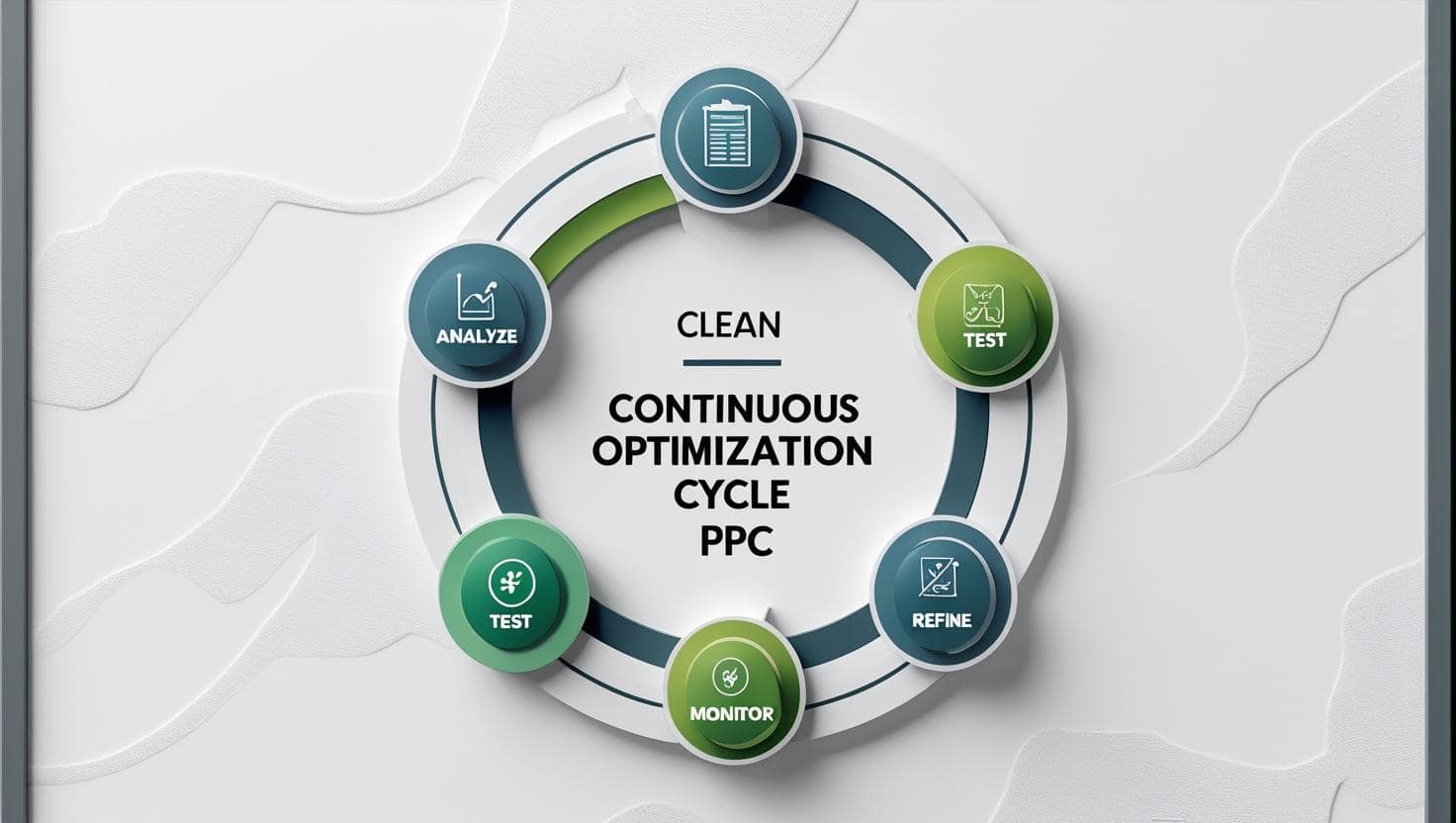
Identifying an **example of a successful PPC** campaign requires a rigorous approach to measurement and a commitment to continuous optimization. This iterative process ensures that your campaigns remain efficient, relevant, and profitable over time.
Key steps in this ongoing cycle include:
- Regular Performance Reviews: Schedule daily, weekly, and monthly reviews of your campaign data. Look at key metrics like impressions, clicks, CTR, conversions, CPA/CPL, and ROAS.
- Deep Dive into Reports: Utilize platforms like Google Ads and Google Analytics to their full potential. Analyze search term reports to refine keywords and negative keywords. Examine geographic and device performance to optimize targeting and bids.
- A/B Test Everything: Never stop testing. Experiment with different ad copy, headlines, descriptions, images, landing page elements, and bidding strategies. Small improvements can lead to significant gains over time.
- Budget Reallocation: Dynamically shift your budget towards campaigns, ad groups, and keywords that are performing best and delivering the highest ROI. Pause or reduce spend on underperforming areas.
- Expanding Successful Campaigns: When you identify an **example of a successful PPC** within your own account, scale it responsibly. This might involve increasing bids, expanding targeting, or creating new, similar campaigns.
- Staying Updated with Platform Changes: PPC platforms like Google Ads and Meta Ads are constantly evolving. Stay informed about new features, bidding strategies, and policy updates to leverage them effectively.
- Refining Audience Targeting: Continuously analyze audience insights to make your targeting more precise. Explore new audience segments, lookalike audiences, and remarketing lists.
The importance of continuous optimization cannot be overstated. Even the most impressive initial **example of a successful PPC** campaign will degrade over time without proactive management. It is this dedication to refinement that ensures sustained success.
How Brand Nexus Studios Can Help You Craft Your Own Success Story
Navigating the complexities of PPC advertising to achieve consistent, profitable growth requires specialized expertise and a data-driven approach. At Brand Nexus Studios, we are dedicated to helping businesses like yours not just run PPC campaigns, but to create their own compelling **example of a successful PPC**.
Our team of seasoned PPC specialists leverages the latest industry insights and advanced tools to develop, implement, and optimize highly effective paid advertising strategies tailored to your unique business objectives. From meticulous keyword research and compelling ad copy creation to sophisticated bidding strategies and continuous performance monitoring, we cover every aspect of your PPC journey.
We focus on delivering measurable results, ensuring that every dollar of your ad spend contributes directly to your bottom line. Whether your goal is lead generation, e-commerce sales, brand awareness, or app installs, we design campaigns that are efficient, scalable, and built for long-term success. Let us help you turn your advertising budget into a powerful engine for profitable growth.
Discover how Brand Nexus Studios can transform your paid advertising into a leading **example of a successful PPC** campaign. Visit our website to learn more about our comprehensive PPC services and schedule a consultation today: https://www.brandnexusstudios.co.za.
Conclusion
Achieving success in Pay-Per-Click advertising is not a matter of luck but a result of strategic planning, meticulous execution, and relentless optimization. The diverse **examples of successful PPC** campaigns discussed in this guide – from B2B lead generation to local service calls and e-commerce sales – underscore the universal principles of targeting, relevance, and continuous improvement.
By focusing on clear objectives, understanding your audience deeply, crafting compelling ad experiences, and committing to data-driven refinement, any business can transform its PPC efforts into a powerful engine for growth. Remember, every **example of a successful PPC** campaign started with a vision and was propelled by a commitment to excellence.
Apply these insights, avoid common pitfalls, and embrace the iterative nature of paid advertising. Your next successful PPC campaign is within reach.