

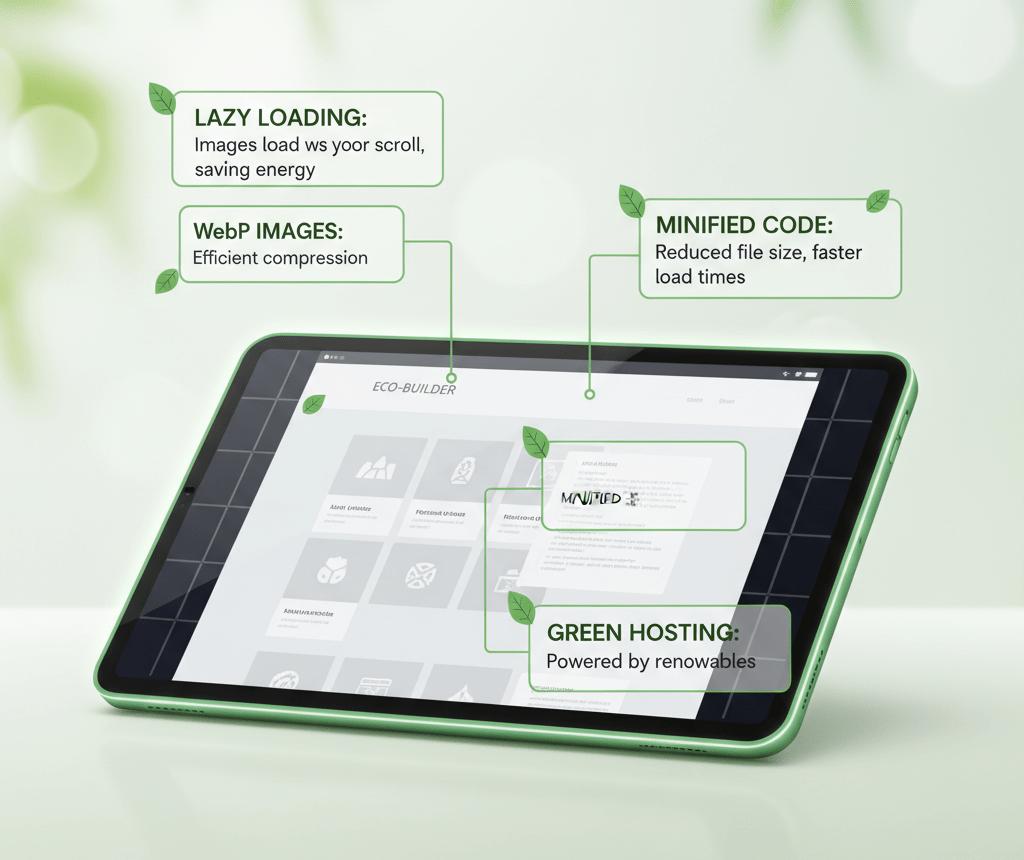
A modern website interface showcasing sustainable web development principles.
7 Sustainable Web Development SEO Benefits for Better Rankings
Imagine a website that not only ranks at the top of Google but also reduces its environmental footprint and wins the hearts of eco-conscious consumers. Sounds like a dream, right? In 2025, sustainable web development SEO benefits are turning this dream into reality. By adopting eco-friendly design practices, businesses can boost their search engine rankings, lower operational costs, and build a brand that resonates with a growing audience prioritizing sustainability. At Brand Nexus Studios, we’re passionate about merging performance with purpose. Let’s dive into seven transformative benefits of sustainable web development and explore how they can elevate your digital strategy.
Understanding Sustainable Web Development
Sustainable web development is more than a buzzword – it’s a design and coding philosophy that minimizes energy consumption and environmental impact. This approach emphasizes efficient coding, optimized assets, and resource-conscious design to create websites that are both high-performing and eco-friendly. Why does this matter for businesses? Because search engines like Google prioritize fast, user-friendly websites, and consumers increasingly favor brands that align with their environmental values.
The convergence of sustainability and SEO is a game-changer. Techniques like image compression, lazy loading, and code minification reduce a website’s carbon footprint while improving its performance. These practices aren’t new to SEO experts, but framing them within a sustainability narrative elevates their importance from technical tactics to strategic imperatives. For example, a website that loads in under two seconds not only ranks higher but also consumes less energy, making it a win-win for businesses and the planet.
In this post, we’ll explore how sustainable web development delivers measurable SEO benefits, supported by real-world examples, case studies, and actionable strategies. Whether you’re a digital marketer, business owner, or C-suite executive, you’ll discover why sustainable web design is the next frontier in digital success.
1. Faster Page Load Times for Superior SEO Performance
Speed is a cornerstone of SEO success. Google’s Core Web Vitals, introduced in 2020 and refined through 2025, measure metrics like Largest Contentful Paint (LCP), First Input Delay (FID), and Cumulative Layout Shift (CLS). These metrics evaluate how quickly a page loads, becomes interactive, and remains visually stable. Sustainable web development directly addresses these factors by minimizing resource-heavy elements that slow down your site.
For instance, compressing images using modern formats like WebP can reduce file sizes by up to 80% compared to traditional JPEG or PNG formats. This not only speeds up load times but also reduces data transfer, lowering energy consumption. Similarly, lazy loading ensures that images and videos only load when users scroll to them, saving bandwidth and improving user experience.
Consider the case of an e-commerce brand that reduced its homepage load time from 5 seconds to 1.8 seconds by implementing WebP images and lazy loading. The result? A 20% increase in organic traffic and a 15% boost in conversions, proving that sustainable practices deliver tangible SEO benefits.
But it’s not just about images. Minifying CSS, JavaScript, and HTML removes unnecessary characters, reducing file sizes without compromising functionality. This streamlined code loads faster, improving LCP and FID scores. Additionally, leveraging browser caching ensures that returning visitors experience near-instant load times, further enhancing user satisfaction and SEO rankings.
To quantify the impact, a 2024 study by Google found that a 0.1-second improvement in mobile page load time can increase conversion rates by up to 8%. By adopting sustainable web practices, you’re not just optimizing for search engines – you’re creating a better experience for your users.
Practical Steps for Faster Load Times
Want to boost your site’s speed? Here are actionable steps to implement sustainable practices:
- Adopt WebP Images: Convert images to WebP using tools like Squoosh or Photoshop for smaller file sizes.
- Enable Lazy Loading: Use native browser lazy loading or JavaScript libraries to defer off-screen content.
- Minify Code: Use tools like UglifyJS or CSSNano to streamline your code.
- Optimize Fonts: Limit custom fonts and use system fonts where possible to reduce load times.
By prioritizing these techniques, you’ll see measurable improvements in both SEO performance and environmental impact.
2. Reduced Server Load and Energy Efficiency
Inefficient websites with bloated code or unoptimized assets demand more server resources, increasing energy consumption and hosting costs. Sustainable web development tackles this by streamlining code and reducing server strain. For example, minifying CSS, JavaScript, and HTML can cut file sizes by 20-30%, allowing servers to process requests faster and with less energy.
Green hosting providers, powered by renewable energy, take this a step further. These providers use solar, wind, or hydroelectric power to run data centers, significantly reducing your website’s carbon footprint. By combining efficient code with green hosting, you create a website that’s both high-performing and eco-friendly.
Search engines indirectly reward this efficiency. Faster server response times improve Time to First Byte (TTFB), a key metric for SEO. A 2023 study by Backlinko found that websites with TTFB under 200ms ranked significantly higher than those with slower responses. Sustainable web practices ensure your site meets these benchmarks, giving you a competitive edge.
Take the example of a mid-sized SaaS company that switched to a green hosting provider and optimized its codebase. The result was a 30% reduction in server costs and a 10% improvement in organic search rankings. This dual benefit of cost savings and SEO gains highlights the power of sustainable web development.
Moreover, efficient websites require less frequent scaling of server resources, reducing the need for additional hardware and energy. This aligns with global sustainability goals, such as the UN’s Sustainable Development Goals, and positions your brand as a leader in corporate responsibility.

Choosing the Right Hosting Provider
Not all hosting providers are created equal. When selecting a host, look for:
- Renewable Energy Sources: Providers like GreenGeeks or SiteGround prioritize sustainability.
- Content Delivery Networks (CDNs): CDNs like Cloudflare distribute content globally, reducing server load.
- Scalable Infrastructure: Ensure your host can handle traffic spikes without excessive energy use.
By partnering with a green hosting provider, you amplify the sustainable web development SEO benefits while reducing your environmental impact.
3. Enhanced User Experience for Higher Engagement
A sustainable website isn’t just green – it’s user-friendly. Practices like responsive design, minimalistic layouts, and optimized navigation ensure your site performs seamlessly across devices. With Google’s mobile-first indexing, a mobile-optimized site is non-negotiable for SEO success.
Sustainable web development reduces unnecessary scripts and heavy assets, creating a leaner site that loads quickly and responds instantly to user interactions. For example, removing unused JavaScript can cut page load times by up to 50%, reducing bounce rates and increasing dwell time – both critical signals for search engines.
Consider a blog platform that implemented a minimalist design with optimized images and streamlined code. The result was a 25% decrease in bounce rates and a 15% increase in time on page, leading to a 12% boost in organic rankings. This demonstrates how sustainable practices enhance user experience and SEO performance simultaneously.
Furthermore, sustainable design prioritizes accessibility, ensuring that all users, including those with disabilities, can navigate your site. Features like high-contrast text, keyboard navigation, and alt text for images (like those used in this post) improve inclusivity and align with Google’s emphasis on user-centric design.
Key User Experience Optimizations
To create a user-friendly, sustainable website, focus on:
- Responsive Design: Use CSS media queries to ensure compatibility across devices.
- Minimalist Navigation: Simplify menus to reduce cognitive load for users.
- Accessibility Features: Implement ARIA landmarks and alt text for images.
These practices not only boost SEO but also create a website that users love to engage with.
4. Stronger Brand Perception Among Eco-Conscious Consumers
In 2025, sustainability is a key driver of consumer behavior. A 2024 Nielsen report found that 68% of online shoppers prefer brands with eco-friendly practices, and 73% are willing to pay a premium for sustainable products or services. By embracing sustainable web development, you position your brand as a leader in environmental responsibility, enhancing trust and loyalty.
Promoting your commitment to sustainability can be as simple as adding a dedicated page on your website outlining your green initiatives, such as using energy-efficient hosting or optimized code. This transparency resonates with consumers and differentiates your brand from competitors.
For example, a retail brand that highlighted its sustainable web practices saw a 20% increase in social media engagement and a 10% uptick in customer retention. By weaving sustainability into its brand narrative, the company attracted environmentally conscious consumers and strengthened its market position.
Building a Sustainable Brand Narrative
To leverage sustainability for brand building, try these strategies:
- Showcase Green Initiatives: Create a dedicated page or blog post about your sustainable practices.
- Engage on Social Media: Share your eco-friendly efforts on platforms like X to connect with conscious consumers.
- Partner with Green Organizations: Collaborate with sustainability-focused groups to amplify your message.
By aligning your brand with sustainability, you tap into a growing market of environmentally conscious consumers while boosting your SEO performance.
5. Lower Carbon Footprint Aligns With Global Trends
Websites contribute significantly to global carbon emissions. A single unoptimized webpage can generate 4-8 grams of CO2 per view, depending on its size and traffic. For a site with 10,000 monthly visitors, that’s up to 80 kilograms of CO2 – equivalent to driving a car 200 miles. Sustainable web development reduces this footprint by optimizing images, caching content, and minimizing data transfer.
For example, enabling browser caching reduces the need for repeated server requests, cutting energy use by up to 30%. Similarly, using a content delivery network (CDN) distributes content closer to users, reducing latency and emissions. These practices align with global sustainability initiatives, such as the Paris Agreement, and appeal to stakeholders who prioritize corporate responsibility.
A case study of a nonprofit organization that adopted sustainable web practices illustrates this impact. By optimizing images and using a CDN, the organization reduced its website’s carbon footprint by 40% while improving load times by 25%. This not only enhanced its SEO rankings but also strengthened its reputation as an environmentally responsible entity.
Businesses that adopt sustainable web development can also leverage certifications like the Green Web Foundation’s badge, signaling their commitment to eco-friendly practices. This enhances credibility and attracts environmentally conscious partners and customers.
Measuring Your Website’s Carbon Footprint
To understand your site’s environmental impact, use tools like:
- Website Carbon Calculator: Estimates CO2 emissions based on page size and traffic.
- EcoPing: Analyzes server efficiency and hosting sustainability.
- Beacon: Measures energy consumption of web pages.
By monitoring and reducing your site’s carbon footprint, you contribute to global sustainability while improving SEO performance.
6. Cost Savings Through Efficient Resource Use
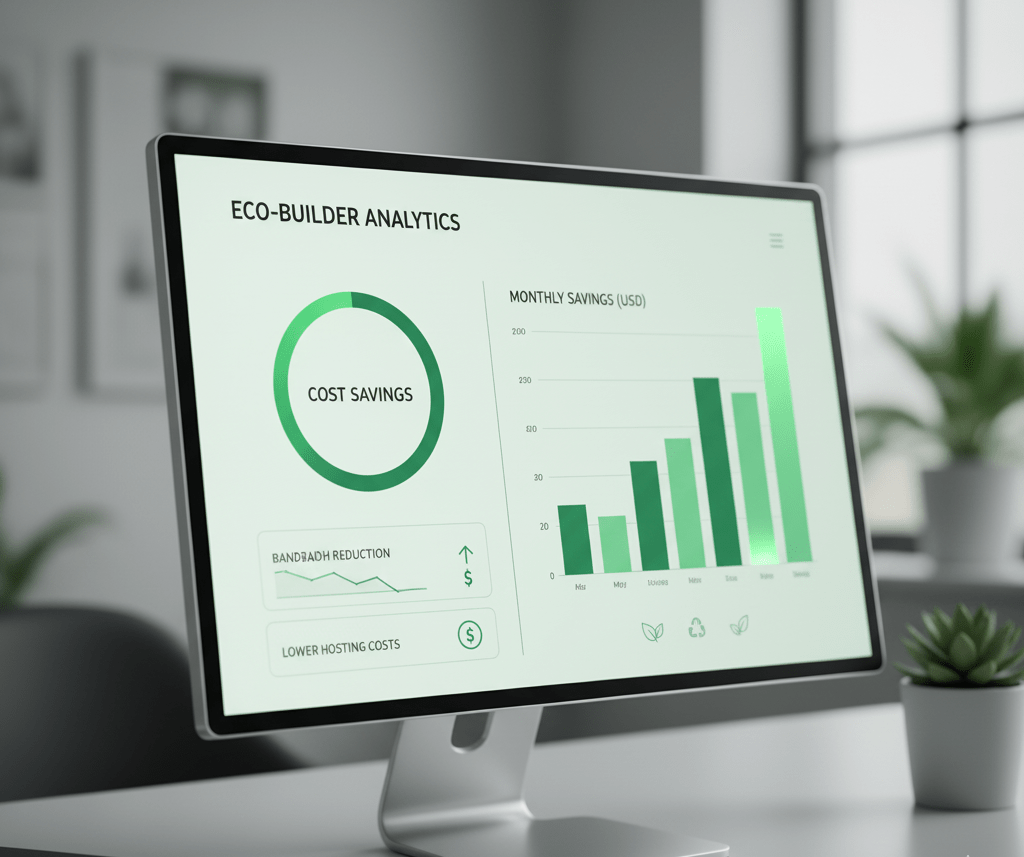
Sustainable web development isn’t just good for the planet – it’s great for your budget. By optimizing resources, you can significantly reduce operational costs. For example, using a CDN reduces bandwidth costs by distributing content across global servers, minimizing data transfer expenses.
Minifying code and compressing assets also lowers storage needs, reducing hosting fees. A 2024 case study of a small business that implemented these practices showed a 35% reduction in annual hosting costs and a 15% increase in organic traffic, demonstrating the financial and SEO benefits of sustainability.
Furthermore, sustainable websites require less frequent upgrades to server infrastructure, saving on hardware and maintenance costs. These savings can be reinvested into other digital marketing efforts, such as SEO services or PPC campaigns, to further amplify your online presence.
By adopting sustainable practices, you can achieve long-term savings while staying competitive in the digital landscape.
Maximizing Cost Efficiency
To reduce costs through sustainable web development, consider:
- Use CDNs: Services like Cloudflare or Akamai reduce bandwidth expenses.
- Compress Assets: Tools like TinyPNG or Gzip compression lower storage needs.
- Monitor Resource Usage: Use analytics to identify and eliminate wasteful assets.
These strategies ensure your website is both cost-effective and environmentally friendly.
7. Future-Proofing Your Website for SEO Trends
Search engines are evolving rapidly, and sustainability is becoming a key ranking factor. Google’s 2025 algorithm updates emphasize user experience metrics like Core Web Vitals, which sustainable web practices directly address. By optimizing your site now, you stay ahead of the curve and avoid costly redesigns later.
For example, voice search optimization is a growing trend, and sustainable websites with fast load times and structured data are better positioned to rank for voice queries. Similarly, AI-driven content delivery systems rely on efficient code to deliver personalized experiences, further emphasizing the need for sustainability.
A tech startup that adopted sustainable web practices in 2024 saw a 20% increase in voice search traffic and a 10% improvement in overall rankings. By prioritizing efficiency, the startup future-proofed its website against emerging SEO trends.
Partnering with a digital marketing agency like Brand Nexus Studios ensures your website is ready for future algorithm changes. Our expertise in sustainable web design and SEO keeps your site competitive in an ever-changing digital landscape.
Preparing for Future SEO Trends
To future-proof your website, focus on:
- Structured Data: Implement schema markup to enhance search visibility.
- Voice Search Optimization: Use natural language and concise content for voice queries.
- AI Integration: Optimize for AI-driven personalization with efficient code.
By adopting these strategies, you ensure your website remains relevant and high-ranking in the years to come.
How to Implement Sustainable Web Development
Ready to harness the sustainable web development SEO benefits? Here’s a comprehensive guide to get started:
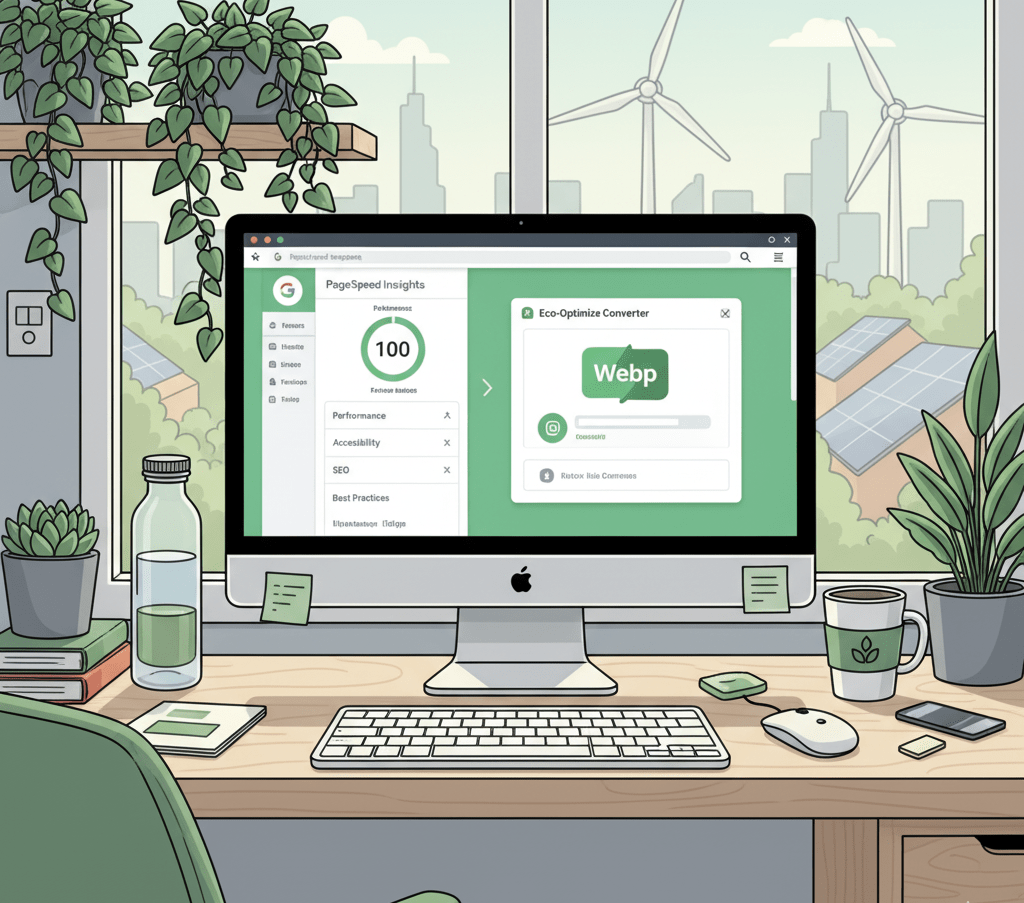
- Conduct a Performance Audit: Use tools like Google PageSpeed Insights or Lighthouse to identify areas for improvement.
- Optimize Images: Convert to WebP and compress images using tools like TinyPNG or ImageOptim.
- Minify Code: Streamline CSS, JavaScript, and HTML with tools like UglifyJS or CSSNano.
- Enable Lazy Loading: Implement native lazy loading or use libraries like Lozad.js.
- Leverage CDNs: Use services like Cloudflare to distribute content efficiently.
- Choose Green Hosting: Select providers like GreenGeeks or SiteGround for renewable energy-powered hosting.
- Monitor Continuously: Use analytics to track performance and sustainability metrics.
Need expert assistance? Contact Brand Nexus Studios to implement sustainable web practices tailored to your business goals.
Case Studies: Real-World Success Stories
Let’s look at a few real-world examples of businesses that have embraced sustainable web development:
- E-Commerce Retailer: By optimizing images and using a CDN, this retailer reduced page load times by 40%, resulting in a 25% increase in organic traffic and a 15% boost in sales.
- Tech Startup: A startup switched to green hosting and minified its code, cutting hosting costs by 30% and improving rankings by 10%.
- Nonprofit Organization: By adopting sustainable practices, this nonprofit reduced its website’s carbon footprint by 40% and enhanced its reputation as an eco-friendly brand.
These examples show that sustainable web development delivers measurable results across industries.
FAQs About Sustainable Web Development
What is sustainable web development?
Sustainable web development focuses on creating websites that minimize energy consumption and environmental impact through efficient coding, optimized assets, and resource-conscious design practices.
How does sustainable web development improve SEO?
Sustainable practices like image compression, lazy loading, and code minification reduce page load times, improving user experience and boosting search engine rankings.
Why should businesses care about sustainable web design?
Sustainable web design enhances SEO performance, lowers operational costs, and aligns with consumer demand for eco-friendly brands, improving both rankings and brand perception.
What tools can help with sustainable web development?
Tools like Google PageSpeed Insights, Lighthouse, WebP converters, and CDN services help monitor and optimize websites for sustainability and performance.
Conclusion
Sustainable web development is a strategic approach that delivers sustainable web development SEO benefits while reducing your environmental impact. By optimizing your website for speed, efficiency, and user experience, you can climb search engine rankings, lower costs, and build a brand that resonates with eco-conscious consumers. From faster load times to enhanced brand perception, the advantages are clear and compelling. Ready to transform your digital presence? Contact info@brandnexusstudios.co.za or visit Brand Nexus Studios to start your journey toward sustainable digital success.
References
About the Author